
A Guide to Metal Finishing in Modern Manufacturing
Metal finishing plays a major role in modern manufacturing. Almost every metal part we use today, whether in cars, electronics, construction, machinery, or home appliances, goes through some finishing process before it is ready for real-world use. These processes help improve a product’s durability, look, quality, and long-term performance.
In this guide, we will explore what metal finishing is, how it works, the different types of finishing processes, and why they are so important for manufacturers worldwide.
What is Metal Finishing in Manufacturing
Metal finishing refers to a wide range of processes used to improve the surface of a metal part. These processes can change how the part looks, how it performs, or how long it lasts.
Manufacturers rely on metal finishing to:
- Make surfaces smooth and even
- Protect metal from corrosion
- Improve strength and wear resistance
- Enhance appearance
- Prepare metal for painting or coating
Finishing has become a critical step because industries need products that perform well under stress, resist environmental damage, and meet high-quality standards. Without finishing, metal parts may rust quickly, fail early, or appear dull and unattractive.
At Kirmell, we support the full production cycle by offering precision fabrication, CNC machining, laser cutting, and high-quality finishing solutions under one roof. Our team ensures every component is accurately produced and professionally finished to meet the performance, durability, and visual standards required across modern industries.
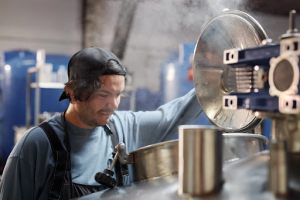
How Metal Finishing Works
Metal finishing is not just about improving appearance. It also protects the metal and enhances performance. Most finishing processes involve improving the outer layer of the metal without changing its internal structure.
More Than Corrosion Prevention
While corrosion protection is a major benefit, finishing also plays a role in electrical conductivity, friction reduction, bonding strength, and long-term durability.
How the Process Works
Although each finishing method has its own technique, most follow these general steps:
- Surface preparation – cleaning, degreasing, or removing impurities
- Application of the chosen finish – mechanical, chemical, or electrochemical process
- Final inspection – ensuring the finish meets required standards
Different materials, such as steel, aluminium, brass, and copper, react differently during finishing. The chosen method depends on the type of metal, the product’s purpose, and the environment where it will be used.
Also, read our complete guide to metal fabrication processes to understand the key processes that occur before finishing is applied.
Types of Metal Finishing Processes
Since metal finishing is the main focus of this guide, it is important to understand the many processes manufacturers use. Each method offers unique benefits and is suited for specific applications.
1. Mechanical Finishing
Mechanical finishing uses physical force to smooth, clean, or shape a metal’s surface.
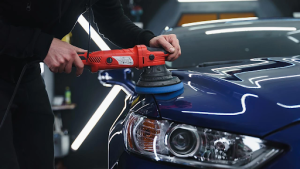
Polishing
Removes small scratches and imperfections, resulting in a shiny, reflective surface. Commonly used for decorative parts and stainless steel.
Buffing
A softer type of polishing that delivers a mirror-like appearance. Often used for consumer products, jewellery, and automotive parts.
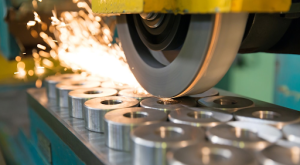
Grinding
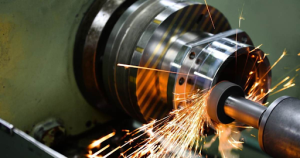
Uses abrasive wheels to remove material and achieve a smooth finish. It is also used to correct shape and thickness.
Brushed Finish
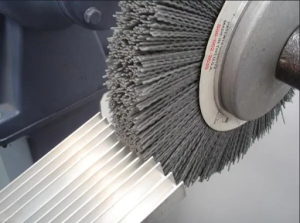
Creates fine, consistent lines on the surface. This is popular for appliances, panels, and architectural parts.
Abrasive Blasting / Sandblasting / Shot Blasting
Propels abrasive particles to clean, strengthen, or roughen the surface. Ideal for removing old coatings or preparing parts for painting.
Vibratory Finishing
Uses vibration and abrasive media to smooth edges, remove burrs, and produce uniform finishes for small components.
2. Chemical Finishing
Chemical finishing changes the surface by using chemical reactions.
Passivation
Removes impurities and strengthens the protective layer of stainless steel. This allows the metal to resist corrosion more effectively.
Chemical Conversion Coatings
Processes like chromate conversion or Iridite NCP create a protective film on aluminium parts.
Chemical Brightening
Improves shine and smoothness, especially on aluminium.
3. Electrochemical Finishing
This group includes processes that use electrical current or chemical baths to modify the surface.
Electropolishing
Removes a thin layer of material to create a smooth, shiny, and corrosion-resistant surface.
Electroplating
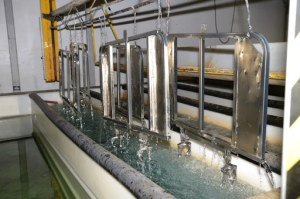
Adds a thin metal layer to the surface by passing an electric current through a chemical bath. Common coatings include:
- Gold
- Silver
- Zinc
- Copper
- Tin
Electroplating improves corrosion resistance, appearance, and electrical conductivity.
Electroless Plating
Similar to electroplating, but it does not require electricity. It is ideal for complex shapes and parts that need a uniform coating.
4. Protective and Aesthetic Coatings
These coatings give metal the final appearance and protection needed for long-term use.
Powder Coating
Applies dry powder that is baked to form a strong, durable coating. It is highly resistant to scratches, weather, and chemicals.
Electrocoating
Uses electrical current to deposit paint or pigment evenly across all surfaces.
Engineered Paints
Special coatings used for heat resistance, chemical resistance, or extreme environmental conditions.
Standard Wet Painting
A traditional method used when a thin, smooth finish is required.
5. Anodising and Oxide Coatings
Anodising thickens the natural oxide layer on aluminium to improve durability, colour stability, and corrosion resistance. It is widely used for electronics, architectural parts, and consumer goods.
6. Galvanising
Galvanising applies a zinc layer that protects steel from rust. Hot-dip galvanising is most common for outdoor structures, construction materials, and industrial components.
7. Heat Treatment
While not always considered a finishing method, heat treatment improves hardness and wear resistance before other surface treatments are applied.
At Kirmell, every project starts with precise fabrication, CNC machining, and laser cutting to form a strong foundation for high-quality finishing. By producing accurate and consistent parts from the beginning, we help ensure that the final finishing stage delivers better protection, performance, and appearance. Contact us now for your fabrication project; we’ll be happy to accommodate you.
Key Benefits of Metal Finishing
Metal finishing offers a wide range of advantages that make metal parts stronger, cleaner, more durable, and better suited for real-world applications. These benefits are the reason almost every industry relies on finishing processes before a product is completed.
1. Corrosion Resistance
Metal finishing creates a protective barrier that shields the surface from rust, moisture, chemicals, and harsh weather conditions. This is especially important for parts used outdoors, in factories, or in environments with high humidity.
2. Enhanced Wear Resistance
Finishing strengthens the surface so it can handle friction, frequent movement, and physical contact. This is essential for components like gears, tools, mechanical parts, and anything exposed to constant use.
3. Improved Durability
A properly finished surface significantly extends the lifespan of metal products. Whether exposed to heavy loads or tough environments, finished parts maintain their performance longer and require less maintenance.
4. Reduced Surface Friction
Many finishes make the surface smoother, which reduces friction. This helps moving parts work more efficiently, prevents unnecessary wear, and ensures quieter, smoother operation.
5. Better Aesthetic Appeal
Finishing enhances the visual appearance by creating a uniform, clean, and professional-looking surface. From polished metal to coloured coatings, finishes help products look attractive and high-quality.
6. Improved Electrical Conductivity
Some finishes, like electroplating with gold or silver, improve electrical performance. This is important for connectors, circuit parts, and electronic components that require stable and efficient conductivity.
7. Stronger Adhesion for Coatings
Finishing prepares the surface so that paint, powder coatings, or additional layers bond more securely. This prevents peeling, cracking, or bubbling and ensures long-lasting protection.
8. Compliance with Industry Standards
Many industries, such as aerospace, medical, automotive, and electronics, require specific finishing standards. Proper finishing ensures parts meet safety, performance, and certification requirements.
Surface Preparation Before Finishing
Surface preparation is one of the most important steps in achieving high-quality finishing. Without proper preparation, even the best finishing methods may fail, leading to issues like rust, weak adhesion, or an uneven appearance.
Mechanical Preparation
Mechanical preparation includes methods like sanding, grinding, or blasting to remove paint, mill scale, welding marks, or rough edges. This step helps create an even, clean surface that is ready to receive the chosen finish.
Explore in more detail how sheet metal bending shapes components before finishing.
Chemical Cleaning
Chemical cleaning removes oils, dirt, fingerprints, grease, and oxidation using special cleaning agents and degreasers. It ensures the metal surface is completely free from contaminants that could affect the final finish.
Why Preparation Matters
Good preparation is the foundation of a long-lasting finish. If the surface is not properly cleaned or smoothed, coatings may not stick well, corrosion can develop underneath the finish, and the surface may look uneven. Proper surface preparation ensures the finish applies evenly, performs better, and stays durable for a longer time.
Understanding Metal Deburring in the Finishing Workflow
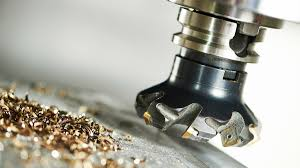
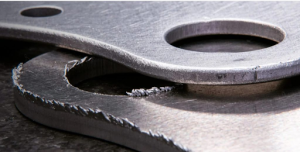
Deburring is the process of removing sharp edges, rough spots, or small pieces of leftover material created during cutting, drilling, or machining. It helps ensure that metal parts are safe, smooth, and ready for the next finishing steps. Without proper deburring, many components cannot be assembled or used effectively.
Why Deburring is Important
Burrs can create safety risks by leaving sharp edges that can cut or injure workers. They can also weaken components or prevent parts from fitting together correctly during assembly. Removing burrs ensures better product performance and reduces the chances of defects.
See how metal punching and stamping impact surface quality and finishing.
Types of Burrs
Mechanical Burrs
Mechanical burrs are formed by cutting tools, drills, or machining equipment. They usually appear as small raised edges or rough fragments that must be smoothed before the part can be used.
Thermal Burrs
Thermal burrs form when heat causes material to melt or deform, typically during laser cutting or welding. These burrs often cling firmly to the surface and need specific tools to remove.
Deburring vs Finishing
Deburring removes unwanted material and makes the surface safe, while finishing focuses on improving appearance, protection, and performance. Both steps work together, with deburring preparing the part and finishing completing it.
Automated Deburring
Many factories now use automated deburring machines for higher accuracy and faster production. Automation reduces human error and delivers consistent results, especially for large batches of complex parts.
Deburring Methods
Belt Sanders and Grinders
These tools quickly remove rough edges and are ideal for large surfaces or heavy burrs.
Disc Sanders
Disc systems deliver precise edge removal and are often used for flat parts or sheet metal.
Brush Systems
Brush deburring uses rotating brushes to smooth surfaces gently, making them suitable for delicate or detailed components.
Vibratory Finishing Machines
These machines use vibration and abrasive media to clean and smooth small parts in large quantities.
Wet vs Dry Systems
Wet deburring systems use fluids to cool and clean the part while reducing dust and heat. Dry systems are faster and more efficient for certain materials but may produce more heat and debris.
Abrasive Selection
Choosing the right abrasive type and grit size is essential for achieving the desired surface quality. Finer abrasives provide a smoother finish, while coarser abrasives remove heavy burrs more quickly.
Maintenance and Best Practices
Regular maintenance of deburring equipment ensures long-lasting performance and consistent results. Keeping tools sharp, machines clean, and settings accurate helps avoid defects and reduces downtime.
Future Deburring Trends
Deburring is becoming more advanced with increased automation, real-time quality monitoring, and improved abrasive materials. These innovations help manufacturers achieve better finishes faster and with greater precision.
Choosing the Right Metal Finishing Process
- The type of metal – Different metals react differently to finishes, so the material determines which process is suitable.
- Required durability – The expected lifespan and strength of the part influence the level of protection needed.
- Environmental exposure – Parts exposed to moisture, chemicals, or outdoor conditions need stronger corrosion resistance.
- Surface properties such as strength or conductivity – Some finishes improve hardness, while others enhance electrical performance.
- Part geometry – Complex shapes may require specific finishing methods to reach all surfaces evenly.
- Cost and timeline – The chosen process must fit the budget and production schedule without affecting quality.
- Industry standards – Certain industries require certified finishes to meet safety and regulatory requirements.
- Production volume – High-volume production often needs faster, automated processes to maintain consistency.
Kirmell’s Complete Metal Manufacturing and Finishing Support
Kirmell provides a full range of precision metalworking solutions to support projects across multiple industries. Our capabilities include advanced CNC machining, laser cutting, sheet metal fabrication, and professional finishing services that ensure every component meets the desired standards of strength, accuracy, and visual quality. From creating complex parts to preparing them for real-world use, our team delivers reliable results at every stage.
We work with businesses of all sizes, offering tailored manufacturing services that fit your material needs, project timelines, and performance requirements. Whether you need custom-fabricated parts, finely cut components, or fully finished metal products, Kirmell combines technology and expertise to help you achieve consistent, high-quality outcomes. Contact us today to start your next project with confidence.
Conclusion
Metal finishing is an essential step in modern manufacturing. It strengthens products, improves their appearance, and ensures they last longer in real-world environments. Whether used in aerospace, automotive, electronics, or construction, finishing processes ensure that metal parts meet the highest standards of quality and durability.
As industries continue to grow and demand stronger, more efficient materials, metal finishing will remain a key part of the manufacturing process, ensuring performance, protection, and long-term reliability for every application.
FAQs
[saswp_tiny_multiple_faq headline-0=”h4″ question-0=”What is metal finishing and why is it important?” answer-0=”Metal finishing improves a metal’s surface to make it stronger, smoother, and more resistant to corrosion. It also enhances appearance and prepares parts for real-world use. ” image-0=”” fontsize-0=”18″ fontunit-0=”px” count=”1″ html=”true”]
[saswp_tiny_multiple_faq headline-0=”h4″ question-0=”What metal finishing processes are most commonly used?” answer-0=”Common methods include polishing, grinding, sandblasting, powder coating, electroplating, anodising, and brushing. Each method serves different performance and appearance needs. ” image-0=”” fontsize-0=”18″ fontunit-0=”px” count=”1″ html=”true”]
[saswp_tiny_multiple_faq headline-0=”h4″ question-0=”How does CNC machining or laser cutting affect finishing results?” answer-0=”Accurate CNC machining and laser cutting create cleaner edges and smoother surfaces, which help finishing processes apply more evenly and last longer.” image-0=”” fontsize-0=”18″ fontunit-0=”px” count=”1″ html=”true”]
[saswp_tiny_multiple_faq headline-0=”h4″ question-0=”Does metal finishing increase the lifespan of metal products?” answer-0=”Yes. Finishing adds protection against rust, wear, friction, and harsh environments, which significantly extends the life of metal components. ” image-0=”” fontsize-0=”18″ fontunit-0=”px” count=”1″ html=”true”]
[saswp_tiny_multiple_faq headline-0=”h4″ question-0=”Where can I find metal fabrication and finishing services?” answer-0=”Kirmell offers all these services under one roof, providing complete support from precise cutting and fabrication to high-quality finishing for industrial and commercial projects. ” image-0=”” fontsize-0=”18″ fontunit-0=”px” count=”1″ html=”true”]
[saswp_tiny_multiple_faq headline-0=”h4″ question-0=”How do I choose the right finishing method for my metal parts?” answer-0=”The right method depends on the metal type, required durability, environment, and appearance. Kirmell’s team can guide you on which finish suits your project best. ” image-0=”” fontsize-0=”18″ fontunit-0=”px” count=”1″ html=”true”]