
Common Cubicle Hardware Issues and Easy Fixes
Office cubicles are built to be durable, but like any frequently used structure, their hardware can wear down, loosen, or fail over time. When something goes wrong in a cubicle system, whether it’s a loose panel, a sagging work surface, or a faulty connector, it can cause real disruption. Employees may feel unsafe, productivity can drop, and facilities teams are left scrambling for a fix. The good news? Most cubicle hardware problems are easy to diagnose and even easier to fix, especially if you know what to look for. In this guide, we’ll break down the most common cubicle hardware issues, why they happen, and how to resolve them quickly often with simple tools and inexpensive replacement parts.
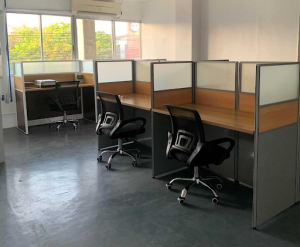
1. Loose or Wobbly Cubicle Panels
Cubicle panels rely on brackets, connectors, and stabilisers to keep them upright. Over time, these components can loosen due to vibration, accidental impact, frequent reconfigurations, or simply age.
Why It Happens
- Normal wear on panel-to-panel connectors (often made of cast metal or plastic)
- Loose top or bottom retaining brackets
- Uneven flooring causing gradual shifting
- Panels not properly locked during a previous installation
Easy Fix
- Inspect all connection points: Look at both the top and bottom of the panels for missing or loose brackets.
- Tighten fasteners: Most panel connectors tighten with a flathead screwdriver or hex key.
- Replace worn or cracked connectors: Universal cubicle connectors work with many major brands.
- Add stabiliser feet if the workspace is on uneven flooring or if the panel is tall (65″+).
When to Replace Instead of Repair
If connectors are bent, cracked, or extremely worn, tightening them will not solve the problem. Replacement connectors are inexpensive and can immediately stabilise the system.
2. Misaligned or Sagging Work Surfaces
Desk surfaces attached to cubicle panels are usually supported by mounting brackets, cantilevers, or support legs. When these fail or loosen, the work surface can sag, tilt, or wobble.
Why It Happens
- Brackets slipping out of panel slots
- Loose mounting screws
- Damaged cantilevers from excessive load
- Old hardware no longer fitting properly due to panel warping
Easy Fix
- Remove items from the desk to relieve weight.
- Check for missing screws or unengaged bracket hooks.
- Re-seat the cantilevers: Lift the work surface slightly and lock the brackets back into the panel track.
- Add a support leg: If the work surface consistently sags, adding a simple leg bracket can dramatically increase stability.
Pro Tip
If employees regularly place heavy items (printers, multiple monitors) at the edge of work surfaces, consider upgrading to heavy-duty cantilever brackets.
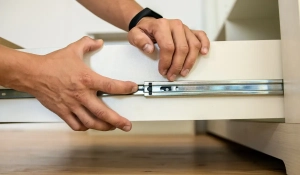
3. Broken or Sticking Drawer Slides
Storage pedestals inside cubicles often take a beating. Overloaded drawers are usually the culprit when slides stop gliding smoothly or detach entirely.
Why It Happens
- Excessive weight in drawers
- Bent slide rails
- Debris buildup inside tracks
- Worn-out ball bearings
Easy Fix
- Remove the drawer completely and inspect the tracks for dirt or debris.
- Lubricate the slide rails using a silicone-based spray.
- Check for bent rails minor bends can sometimes be straightened gently with pliers.
- Replace the slides if bearings are missing or movement is still rough.
Drawer slide replacement takes only a few minutes and is often cheaper than replacing the entire pedestal.
4. Faulty Overhead Bin Doors or Hinges
Overhead storage bins rely on spring hinges, gas cylinders, or friction mechanisms. These components commonly wear out, making doors difficult to open or causing them to slam shut.
Why It Happens
- Age-related wear on gas struts
- Loose hinge screws
- Broken plastic hinge components
- Overloading the storage bin
Easy Fix
- Tighten all hinge screws.
- Replace gas cylinders/struts if the door will not stay open.
- Realign the door: Many systems include adjustable hinge mounts for precise alignment.
- Inspect for cracked plastic parts these usually require replacement.
Safety Note
A faulty overhead bin can be a workplace hazard. If the door won’t stay open, remove the contents and fix the issue immediately to avoid injuries.
5. Damaged or Missing Panel Trim
Trim pieces give cubicle panels a clean, finished look, but they also serve a structural purpose by protecting edges and helping panels align.
Why It Happens
- Impact damage during moves
- Frequent disassembly/reassembly
- Aging plastic or metal trim
- Exposure to moisture
Easy Fix
- Identify the trim type top caps, end caps, base covers, and raceway covers all differ.
- Pop off the damaged trim using gentle pressure or a trim tool.
- Replace with new trim pieces from a compatible cubicle line.
If you aren’t sure which trim fits your system, many suppliers can match hardware using simple photos or measurements.
6. Electrical Raceway Problems
Modern cubicles often contain raceways along the base to manage power and data. When outlets stop working or wires become exposed, it can cause safety and compliance issues.
Why It Happens
- Loose power entry connectors
- Damaged outlet modules
- Overloaded circuits
- Incorrect cable routing
Easy Fix
Important: Only a qualified technician or facilities professional should work on cubicle electrical systems.
Basic troubleshooting steps include:
- Ensuring the main power feed is securely connected
- Checking for tripped breakers
- Replacing damaged power modules
- Inspecting raceway covers for secure fit
If the issue appears electrical rather than mechanical, call a certified installer. Also, read more in detail about the common wire and cable problems along with their fixes.
7. Panel Feet or Levelers Not Adjusted Properly
Cubicles rely on adjustable levelers at the base of panels to keep the system stable. When these shift or are never adjusted, panels can lean or wobble.
Why It Happens
- Movement during cleaning or reconfiguration
- Settling of the building/floor structure
- Vibrations from foot traffic or equipment
Easy Fix
- Check each panel foot for contact with the floor.
- Use a flathead screwdriver or wrench (depending on the model) to adjust the height.
- Ensure all panels are level, especially tall ones that serve as structural anchors.
- Add stabiliser feet for extra support if the cubicle wall is high or supporting shelving.
- For added stability in industrial or warehouse-style workspaces, consider using pallet feet as a durable support option alongside traditional cubicle levellers

8. Damaged or Missing Support Brackets
Brackets are the unsung heroes of cubicle systems. Without them, nothing stays in place: panels won’t align, shelves won’t hold weight, and desktops can collapse.
Common Brackets That Fail
- Panel-to-panel connectors
- Worksurface cantilevers
- Shelf supports
- Return-to-main worksurface brackets
- L-shaped or corner brackets
Easy Fix
Most brackets are modular and replaceable. Once identified, they can be swapped out in minutes using basic tools. Look for:
- Bent metal
- Cracked plastic
- Loose screws
- Rust or corrosion
Replacing brackets early prevents major failures.
9. Noisy or Loose Privacy Screens
Additional privacy screens, often mounted on top of cubicle panels, can rattle or loosen over time.
Why It Happens
- Loose clamp brackets
- Improper installation
- Employees leaning or pushing on them
Easy Fix
- Tighten clamp bolts or replace rubber pads
- Ensure screens are centered and level
- Upgrade to anti-vibration brackets if noise is a recurring issue
Privacy screens are generally easy to repair, and re-tightening often resolves the problem instantly.
10. General Wear and Tear From Frequent Reconfigurations
Many companies rearrange their office layouts multiple times over the life of a cubicle system. Frequent moves can contribute to hardware fatigue.
Typical Problems
- Losing small hardware pieces
- Bent connectors or brackets
- Scratched trim
- Misaligned panels after hasty setups
Easy Fix
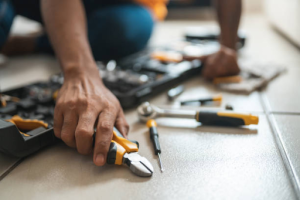
Invest in a small cubicle hardware kit containing:
- Common brackets
- Screws and fasteners
- Spare trim pieces
- Cantilever connectors
- Leveling feet
Having these on hand reduces downtime, lets teams fix issues quickly, and extends cubicle lifespan.
Preventive Tips to Avoid Future Hardware Problems
1. Perform Routine Inspections
Every 6–12 months, conduct a quick walk-through to check for wobbly panels, sagging desks, loose brackets, or damaged trim.
2. Tighten Hardware After Moves
Whenever the layout is changed, retighten all connectors to ensure stability.
3. Teach Proper Use
Employees leaning heavily on panels, standing on drawers, or slamming overhead bins can quickly wear out hardware.
4. Keep Spare Parts in Stock
Universal connectors, bracket sets, drawer slides, and trim caps are inexpensive and invaluable for quick fixes.
5. Call Professionals for Structural or Electrical Issues
Not every problem should be a DIY fix. If a panel is load-bearing, integrated with electrical systems, or part of a large configuration, consult a trained installer.
Kirmell Hardware Products: Reliable Solutions for Every Cubicle System
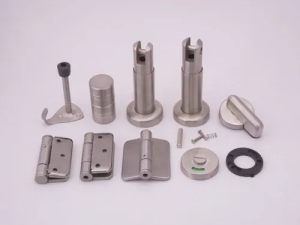
Kirmell supplies a complete range of cubicle hardware and fittings, including hinges, locks, indicator bolts, brackets, adjustable legs, and other essential components. Each product is designed for strength, durability, and consistent performance in high-traffic commercial environments. Materials such as stainless steel, aluminium, and high-strength plastics ensure long-lasting reliability for every installation.
Whether the requirement is a full cubicle hardware pack or individual replacement parts, Kirmell provides precision-engineered components that deliver stable, secure, and easy-to-maintain cubicle systems. The hardware range supports both new installations and ongoing maintenance, ensuring workplaces remain safe, functional, and well-equipped. For bespoke configurations or specialised project needs, contact us to discuss custom orders and tailored hardware solutions.
Conclusion
Cubicle hardware issues can seem frustrating, but the majority are incredibly simple to diagnose and repair. Whether it’s a wobbly wall, a misaligned desk, or a stubborn overhead bin, the solution often comes down to tightening screws, replacing a bracket, or reinstalling a connector. With routine maintenance and a few spare parts on hand, your cubicle systems can remain sturdy, safe, and functional for many years.
FAQs
What causes most cubicle hardware issues?
How often should cubicle hardware be checked for maintenance?
Can cubicle panels be repaired without replacing the entire system?
What tools are typically required for fixing cubicle hardware?
Where can I order cubicle hardware in the UK?
Does Kirmell offer bulk orders for contractors or commercial projects?