
Ferrous vs Non-Ferrous Metals: How They’re Used in Manufacturing
Metals play a vital role in modern manufacturing. From large industrial machinery to small consumer products, metal materials provide strength, durability, and reliability that few alternatives can match. However, not all metals behave the same way or serve the same purpose. One of the most important distinctions manufacturers make is between ferrous and non-ferrous metals.
Understanding how these two categories differ helps engineers, designers, and manufacturers choose the right material for performance, cost, and longevity. This guide explains the key differences, properties, and manufacturing uses of ferrous and non-ferrous metals, along with how they influence real-world production decisions.
Understanding the Basics of Metals in Manufacturing
Before diving into applications, it is important to understand how metals are classified. In manufacturing, metals are broadly divided based on their chemical composition and physical properties. The most common classification is whether a metal contains iron.
This leads to a frequent beginner question: what is ferrous metal and non ferrous metal? Ferrous metals are those that contain iron as their main component, while non-ferrous metals do not contain iron in significant amounts.
This simple difference has a major impact on strength, corrosion resistance, weight, magnetism, and cost all of which influence how metals are used in manufacturing environments.
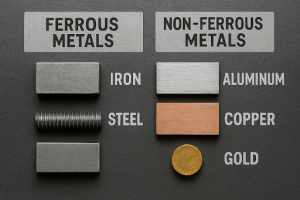
What Are Ferrous Metals?
Ferrous metals are iron-based metals known for their strength and durability. Because iron is abundant and relatively inexpensive, ferrous materials are widely used across heavy industries and structural applications.
Key Characteristics of Ferrous Metals
Ferrous metals generally share the following traits:
- High tensile strength and hardness
- Magnetic properties (most ferrous metals are magnetic)
- Good machinability and formability
- Lower cost compared to many non-ferrous metals
- Susceptible to rust and corrosion if not protected
These properties make ferrous metals ideal for load-bearing and structural components, especially where strength is more important than corrosion resistance.
Common Types of Ferrous Metals
Ferrous metals include a wide range of alloys and grades, such as:
- Carbon steel
- Alloy steel
- Cast iron
- Wrought iron
- Tool steel
Each type is engineered to meet specific performance requirements, from high impact resistance to wear resistance or ease of fabrication.
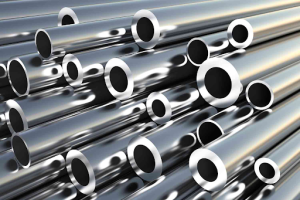
Applications of Ferrous Metals in Manufacturing
Because of their strength and availability, ferrous metals in manufacturing are commonly used in industries that demand durability and structural stability.
Structural and Construction Components
Steel beams, frames, and reinforcements are the backbone of construction and industrial infrastructure. Ferrous metals provide the load-bearing capability needed for buildings, bridges, and factories.
Automotive and Heavy Machinery
Vehicle frames, engine blocks, gears, axles, and machine housings are often made from ferrous metals. These components must withstand stress, vibration, and heat, making iron-based alloys an ideal choice.
Tools and Industrial Equipment
Cutting tools, presses, molds, and industrial fasteners frequently rely on ferrous metals for their hardness and wear resistance. Heat-treated steels, in particular, are essential in tool manufacturing.
What Are Non-Ferrous Metals?
Non-ferrous metals do not contain iron and are typically chosen for properties that ferrous metals lack. While often more expensive, they offer advantages such as corrosion resistance, low weight, and high conductivity.
Key Characteristics of Non-Ferrous Metals
Non-ferrous metals are valued for:
- Excellent resistance to rust and corrosion
- Lightweight compared to steel
- High electrical and thermal conductivity
- Non-magnetic properties
- Greater resistance to chemical reactions
These characteristics make non-ferrous metals essential in industries where performance outweighs material cost.
Common Non-Ferrous Metals
Non-ferrous metals commonly used in manufacturing include:
- Aluminium
- Copper
- Brass
- Bronze
- Zinc
- Titanium
- Nickel
Each of these metals serves specialised roles, depending on environmental exposure, electrical requirements, and weight limitations.
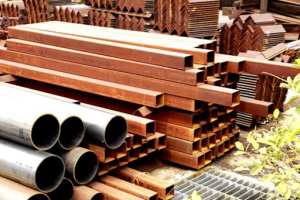
Comparing Ferrous and Non-Ferrous Metals
To understand practical use, it helps to look at ferrous and non ferrous metals examples side by side.
For instance, steel is used in building frameworks due to its strength, while aluminium is preferred for aircraft components because it is lightweight. Copper is selected for wiring because of its conductivity, whereas cast iron is ideal for heavy-duty machine bases due to its vibration-damping properties.
The decision is rarely about which category is better overall. Instead, it depends on performance needs, operating conditions, and long-term durability.
Manufacturing Uses of Non-Ferrous Metals
Non-ferrous metals play a crucial role in specialised and high-performance manufacturing sectors.
Electrical and Electronics Industry
Copper and aluminium are essential for wiring, motors, transformers, and electronic components. Their ability to conduct electricity efficiently makes them irreplaceable in this field.
Aerospace and Transportation
Lightweight metals such as aluminium and titanium reduce overall weight while maintaining strength. This improves fuel efficiency and performance in aircraft, trains, and modern vehicles.
Marine and Outdoor Applications
Non-ferrous metals resist corrosion from moisture and saltwater, making them ideal for marine fittings, outdoor structures, and coastal equipment.
Decorative and Consumer Products
Brass, bronze, and aluminium are often used for decorative items, fixtures, and consumer goods due to their appearance and corrosion resistance.

The Role of Material Properties in Manufacturing Decisions
Selecting a metal is not just about whether it is ferrous or non-ferrous. Engineers must consider a wide range of factors to ensure the final product performs as intended.
Strength and Load Requirements
Structural components must handle static and dynamic loads without deforming or failing. Ferrous metals often dominate here due to their high strength-to-cost ratio.
Weight Considerations
In applications where reducing weight is critical, such as transportation and portable equipment, non-ferrous metals are often preferred.
Corrosion and Environmental Exposure
Outdoor, marine, or chemical environments require materials that resist rust and degradation. Non-ferrous metals or coated ferrous metals are commonly used in such conditions.
Manufacturing Processes
Some metals are easier to weld, machine, or form than others. Production volume, tooling costs, and manufacturing methods all influence material choice. Read more about all the modern metalworking methods.
Material Selection in Manufacturing
Effective material selection in manufacturing balances performance, cost, availability, and lifecycle requirements. Choosing the wrong metal can lead to premature failure, higher maintenance costs, or production inefficiencies.
Engineers often evaluate:
- Mechanical properties (strength, hardness, ductility)
- Thermal and electrical properties
- Resistance to wear and corrosion
- Compatibility with manufacturing processes
- Cost and supply chain stability
This structured approach ensures that the selected metal meets both technical and commercial goals.
Sustainability and Recycling Considerations
Both ferrous and non-ferrous metals are highly recyclable, which supports sustainable manufacturing practices.
Ferrous metals are among the most recycled materials globally, especially steel. Non-ferrous metals like aluminium and copper are also widely recycled, often requiring less energy than producing new material from raw ore.
Recycling not only reduces environmental impact but also lowers production costs and supports circular manufacturing systems.
Cost Factors and Availability
Cost is always a key consideration in manufacturing. Ferrous metals are generally more affordable and widely available, making them suitable for high-volume production. Non-ferrous metals tend to be more expensive due to limited availability, complex extraction processes, or specialised properties.
However, higher initial costs can be justified if non-ferrous metals reduce maintenance, improve efficiency, or extend product lifespan.
Future Trends in Metal Manufacturing
Advancements in metallurgy and manufacturing technology continue to expand the capabilities of both ferrous and non-ferrous metals.
- Development of high-strength, lightweight steel alloys
- Increased use of aluminium and titanium in transportation
- Improved corrosion-resistant coatings for ferrous metals
- Greater emphasis on recycled materials
These innovations allow manufacturers to optimise performance while reducing environmental impact and production costs.
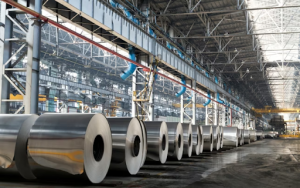
Metals Used in Manufacturing Across Industries
Across all sectors, metals used in manufacturing remain fundamental to product design, structural integrity, and industrial progress. Whether producing heavy machinery, precision electronics, infrastructure components, or consumer goods, manufacturers rely on both ferrous and non-ferrous metals to meet a wide range of mechanical, thermal, and chemical requirements.
The key lies in understanding each metal’s strengths, limitations, and cost implications, and applying them strategically within the production process to achieve durability, efficiency, and performance. Read more about the metal presswork process and all the key stages involved.
Ferrous Metals in Manufacturing
Ferrous metals, which contain iron, are widely used due to their strength, toughness, and load-bearing capabilities. They dominate industries where structural reliability is critical.
Common Ferrous Metals Used
Carbon Steel – The most widely used manufacturing metal
Applications: Structural frames, pipelines, machinery, automotive parts
Advantages: High strength, affordability, easy fabrication
Stainless Steel – Alloyed with chromium for corrosion resistance
Applications: Food processing equipment, medical devices, chemical plants, architectural features
Advantages: Corrosion resistance, hygiene, aesthetic finish
Cast Iron – High carbon content, excellent compressive strength
Applications: Engine blocks, machine bases, valves, drainage systems
Advantages: Vibration damping, wear resistance
Alloy Steel – Enhanced with elements such as nickel, molybdenum, or chromium
Applications: Gears, shafts, pressure vessels, heavy-duty components
Advantages: Improved toughness, heat resistance, and fatigue strength
Non-Ferrous Metals in Manufacturing
Non-ferrous metals do not contain iron and are chosen for their lightweight properties, corrosion resistance, conductivity, and non-magnetic characteristics.
Common Non-Ferrous Metals Used
Aluminium
Applications: Aerospace, automotive panels, packaging, structural profiles
Advantages: Lightweight, corrosion resistant, recyclable
Copper
Applications: Electrical wiring, motors, heat exchangers, plumbing
Advantages: Excellent electrical and thermal conductivity
Brass (Copper + Zinc)
Applications: Valves, fittings, decorative components, fasteners
Advantages: Corrosion resistance, machinability, aesthetic appeal
Bronze (Copper + Tin)
Applications: Bearings, bushings, marine components
Advantages: Wear resistance, low friction
Titanium
Applications: Aerospace, medical implants, chemical processing
Advantages: High strength-to-weight ratio, corrosion resistance
Nickel
Applications: Superalloys, batteries, chemical equipment
Advantages: Heat resistance, corrosion protection
Zinc
Applications: Galvanising steel, die-cast components
Advantages: Corrosion protection, ease of casting
Industry-Specific Metal Applications
Different industries prioritise metals based on operational demands:
Construction & Infrastructure
Carbon steel, stainless steel, aluminiumAutomotive & Transport
High-strength steel, aluminium, magnesium, copperOil, Gas & Energy
Alloy steels, stainless steel, nickel alloysManufacturing & Fabrication
Mild steel, stainless steel, aluminium, brassElectronics & Electrical
Copper, aluminium, gold (specialised applications)Medical & Food Processing
Stainless steel, titanium, aluminium
Strategic Metal Selection in Manufacturing
Selecting the correct metal involves balancing:
- Mechanical strength
- Corrosion resistance
- Weight
- Thermal and electrical performance
- Fabrication and welding requirements
- Cost and availability
By aligning material choice with application demands, manufacturers can improve product lifespan, reduce maintenance, and optimise overall performance.
Kirmell Manufacturing Services
Kirmell provides reliable manufacturing solutions designed to support a wide range of industrial and commercial needs. With experience working across different metal types, Kirmell offers precision fabrication, forming, and component production using both ferrous and non-ferrous materials. Each project is handled with a focus on quality, consistency, and practical performance, ensuring that components meet exact specifications and industry standards.
From small custom parts to larger production runs, Kirmell supports customers at every stage of the manufacturing process. The team places strong emphasis on material selection, efficient production methods, and dependable finishing options to deliver durable and cost-effective results. By combining technical expertise with a customer-focused approach, Kirmell helps businesses achieve long-lasting, high-quality metal solutions for their clients. For more details and information related to your manufacturing needs, be sure to reach out to us.
Conclusion
Ferrous and non-ferrous metals each play a vital role in manufacturing. Ferrous metals offer strength, affordability, and structural reliability, making them essential for construction, machinery, and industrial equipment. Non-ferrous metals provide corrosion resistance, lightweight performance, and specialised properties that support advanced applications in electronics, transportation, and marine environments.
Rather than competing, these two categories complement each other. Successful manufacturing depends on selecting the right metal for the right application, considering performance demands, environmental conditions, and long-term value. By understanding how ferrous and non-ferrous metals are used, manufacturers can design products that are stronger, more efficient, and built to last.
FAQs
What is the main difference between ferrous and non-ferrous metals?
Which type of metal is better for outdoor applications?
Are ferrous metals still used when corrosion is a concern?
Why are non-ferrous metals more expensive?
How do manufacturers choose between ferrous and non-ferrous metals?