
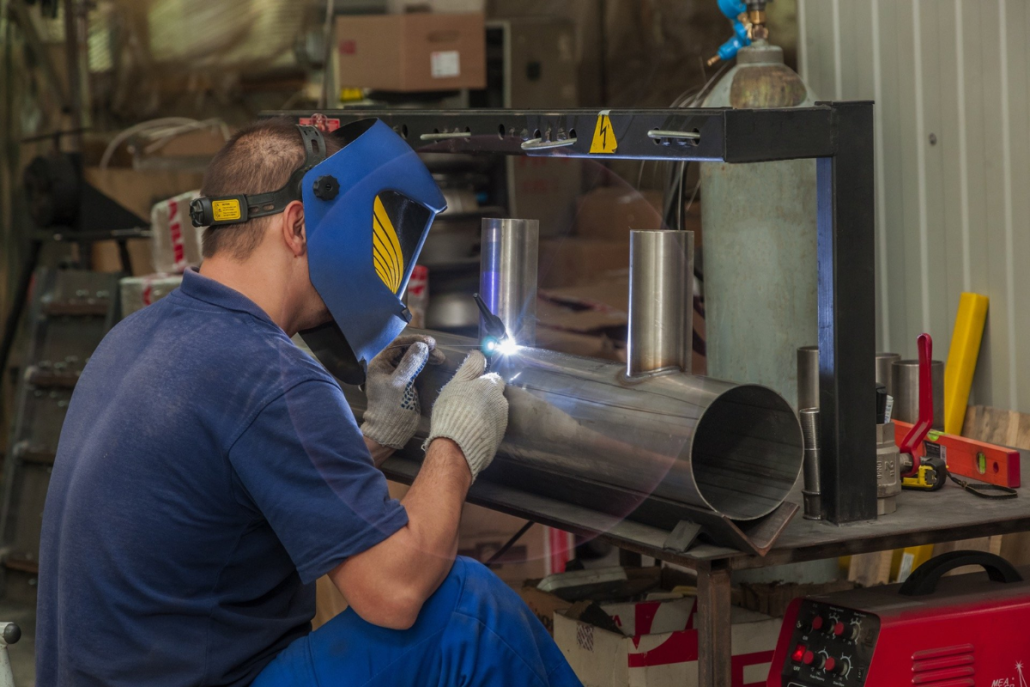
Understanding How Welding Strengthens Metal Structures
Metal structures are a major part of modern life. They support buildings, carry vehicles across bridges, hold machines together, and form the framework of countless industries. While metal is strong on its own, it becomes far more reliable when it is properly joined. One of the most effective ways to create these strong connections is through welding.
Welding plays a critical role in improving the strength, stability, and lifespan of metal structures. When done correctly, it allows individual metal parts to act as one solid unit rather than separate pieces.
Today we’ll discuss how welding strengthens metal structures, why it matters for safety and durability, and how welded connections help metal perform better under stress.
Why Strong Metal Connections Matter
Every metal structure is only as strong as its joints. Even the highest-quality steel or aluminium can fail if the connections between parts are weak. Joints must handle weight, vibration, pressure, and environmental conditions over long periods of time.
Strong joints help:
- Prevent bending and cracking
- Reduce the risk of sudden failure
- Improve overall structural stability
- Extend the lifespan of metal components
Welding creates permanent joints that allow structures to perform safely in demanding conditions.
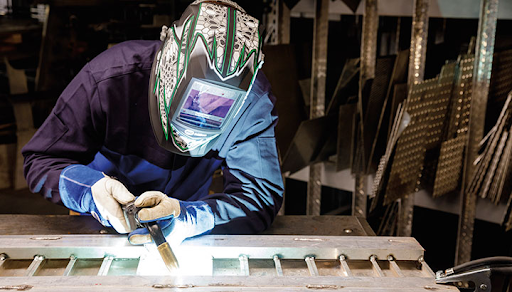
How Welding Strengthens Metal Structures
Different metals and structural requirements often call for different welding methods, each offering its own benefits in terms of strength, precision, and application. You can explore the different types of welding and where they are commonly used to better understand how the right technique supports strong metal structures.
1. Turning Separate Parts into One Solid Unit
One of the biggest advantages of welding is that it joins metal parts so they behave like a single piece. When metals fuse together, there is no movement at the joint. This solid connection reduces flexing and shifting, which are common causes of long-term damage.
Because the joined metals cool and harden together, the bond becomes strong enough to carry heavy loads without separating. This is a key reason welded structures are widely used in construction and industry.
2. Better Load Distribution Across the Structure
When a structure carries weight, the force must be spread evenly. Welded joints help distribute stress across a wider area instead of concentrating it in one spot.
In load-bearing applications such as steel stillages, weld strength and joint positioning should therefore be considered as part of the overall stillage design to support effective load distribution.
This even load distribution:
- Reduces pressure points
- Lowers the chance of cracks forming
- Helps structures handle repeated use
In large frameworks such as steel buildings and industrial platforms, proper welding ensures that stress moves smoothly through the structure.
3. Reducing Weak Points in Metal Designs
Any joint can become a weak point if it is not designed or made properly. Welding helps reduce weak areas by creating smooth, continuous connections.
Unlike bolted or screwed joints, welded connections do not rely on holes or separate fasteners. This means:
- No loose components
- No gaps that weaken the structure
- Greater resistance to vibration
The design of a joint plays a significant role in how well welding joints perform under stress.
4. Improving Resistance to Vibration and Movement
Many metal structures experience constant movement. Vehicles, machinery, and bridges all face vibration during daily use. Over time, vibration can loosen mechanical fasteners and cause fatigue.
Welded joints are fixed and rigid. They do not loosen under vibration, making them ideal for:
- Heavy machinery
- Transport equipment
- Structural frameworks
This rigidity helps maintain alignment and performance over many years.
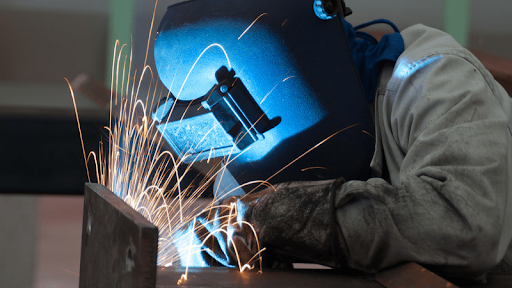
5. Supporting Heavy Loads with Confidence
Welding allows metal structures to safely support heavy loads. When welds are applied correctly, the joint becomes capable of handling high levels of tension and compression.
This makes welding essential for:
- Steel beams and columns
- Load-bearing frames
- Industrial lifting equipment
The strength of welding joints is a major reason why welding is trusted in safety-critical applications.
The Role of Heat in Strengthening Metal
Heat is one of the most important elements in welding. It allows metal surfaces to melt, blend together, and form a strong bond. However, heat must be applied carefully. Too much or too little heat can weaken the metal instead of strengthening it.
When metal is heated during welding and then allowed to cool in a controlled way, the metal’s internal structure changes. The grains inside the metal can realign and become more even. This makes the welded area stronger and helps it behave like the rest of the metal around it.
Proper heat control during welding helps in several important ways.
Improves Metal Bonding
Correct heat allows the metal to melt to the right depth. This ensures the metals fully fuse together rather than just sticking to the surface. A good bond means the joint can carry heavy loads without cracking or separating.
Prevents Brittleness
If metal cools too quickly, it can become hard and brittle. Brittle metal is more likely to crack under stress or vibration. Controlled cooling helps keep the metal tough and flexible, which is important for structures that face movement or impact.
Reduces Internal Stress
Uneven heating can cause internal stress within the metal. This stress can lead to warping, distortion, or cracking over time. By managing heat evenly, welders reduce these hidden stresses and help the structure stay stable and straight.
Skilled welders carefully control temperature, welding speed, and cooling time. Their experience ensures the metal remains strong, balanced, and reliable after the welding process is complete.
Welding Applications and Long-Term Structural Safety
Ensuring Safety in Long-Lasting Metal Structures
Safety is one of the main reasons welding is used in metal structures. Many frameworks are exposed to constant stress, heavy loads, vibration, and changing environmental conditions. If connections are weak or poorly made, even strong metal can fail over time. Welding reduces these risks by creating permanent joints that hold structures together securely.
When welding is done correctly, all metal components work together as one unified system rather than separate parts. This greatly reduces the chance of joint failure and improves overall reliability.
Proper welding helps to:
- Improve structural integrity
- Reduce the risk of sudden collapse or failure
- Meet required safety standards and regulations
Before a structure is put into service, welded joints are carefully checked to confirm they are safe, stable, and fit for long-term use.
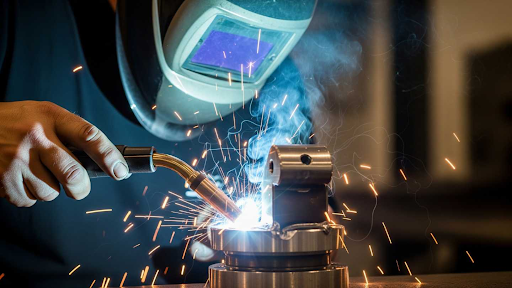
The Importance of Welding in Modern Construction
In modern construction, welding is essential for joining steel frames, beams, columns, and supports. These welded connections form the main skeleton of buildings and industrial structures. By securely connecting major components, welding allows buildings to withstand heavy-weight loads, strong winds, and movement caused by daily use or environmental forces.
Welding also gives engineers greater flexibility in design. Instead of relying on bulky mechanical fasteners, welded joints create clean, strong connections that support complex layouts without adding unnecessary weight.
Welded construction offers:
- High strength while using fewer materials
- Flexible design options for modern structures
- Long-term durability with reduced maintenance needs
Because of these benefits, welding is widely used in commercial buildings, warehouses, factories, and large industrial facilities.
How Welding Supports Bridges and Critical Infrastructure
Bridges and infrastructure systems operate under some of the toughest conditions. They must carry constant traffic while dealing with vibration, temperature changes, and exposure to the elements. Welding helps create joints that can handle these demanding conditions safely over long periods.
Welded connections allow bridge structures to act as a single continuous system. This helps forces move evenly through the structure rather than concentrating in one area, which could cause fatigue or damage over time.
In infrastructure projects, welded joints:
- Spread loads evenly across the structure
- Resist fatigue caused by repeated use
- Require less maintenance than mechanical joints
Strong, well-executed welds play a critical role in protecting public safety and extending the working life of bridges and transport systems.
Welding in Vehicles, Equipment, and Industrial Machinery
Vehicles and industrial machinery depend heavily on welding for strength, reliability, and performance. Frames, chassis, supports, and moving parts are often welded to ensure they remain secure under stress, impact, and constant motion.
Welding makes it possible to create strong yet lightweight designs. This improves fuel efficiency in vehicles and boosts performance in machinery while maintaining safety. Welded joints also help components stay aligned, reducing wear and lowering the risk of mechanical failure.
Key benefits include:
- Improved impact resistance
- Reduced weight without sacrificing strength
- Better performance under continuous stress
The welding joint strength in these applications is vital for ensuring long-term safety, efficiency, and dependable operation.
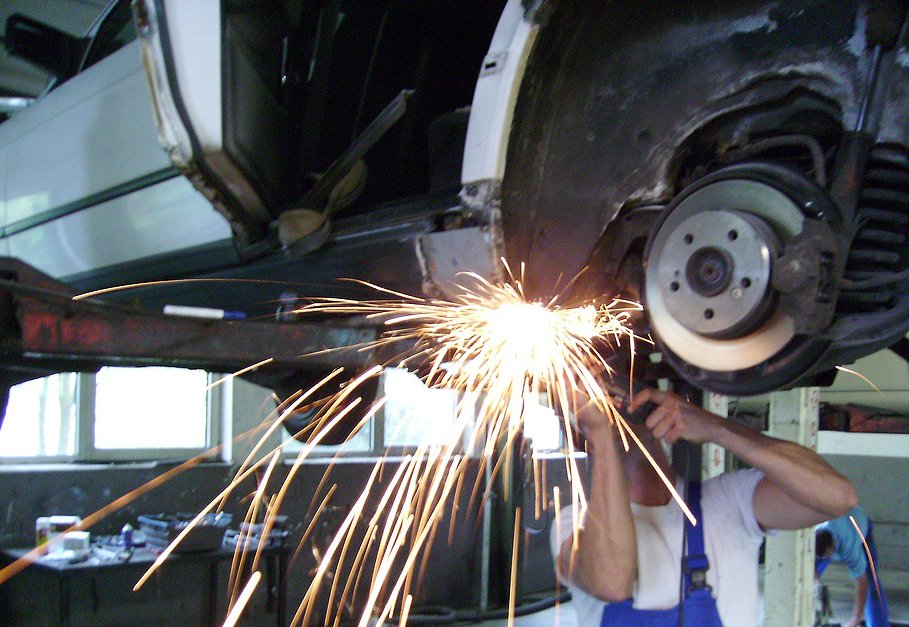
Importance of Skilled Welding Professionals
The quality of a weld depends heavily on the person performing it. Skilled welders understand how to:
- Choose the right technique
- Control heat accurately
- Avoid cracks and weak spots
- Inspect their work thoroughly
Experience and training are essential for producing strong, long-lasting welded joints.
Inspection and Quality Control
Welded structures are often tested to ensure they meet strength requirements. Inspections help identify any issues before they become serious problems.
Common inspection methods include:
- Visual checks
- Ultrasonic testing
- X-ray inspection
- Load testing
These processes confirm that welds are safe and reliable.
Conclusion
Welding is a vital process that strengthens metal structures in many ways. By creating solid connections, distributing stress evenly, and reducing weak points, welding allows metal structures to perform safely and reliably over long periods.
From construction and infrastructure to vehicles and machinery, welding supports the systems we rely on every day. When performed by skilled professionals and inspected properly, welded joints provide the strength and durability needed for modern engineering.
Understanding how welding strengthens metal structures helps highlight its importance in building a safer and stronger world.
Professional Welding Services from Kirmell
At Kirmell, we provide reliable welding services for a wide range of structural and industrial applications. Our work focuses on strength, safety, and long-term performance, ensuring every welded connection meets high quality standards. Whether the project involves construction frameworks, machinery components, or infrastructure support, our team approaches each job with care and technical expertise.
We work with different metals and welding techniques to suit the specific requirements of each project. From precision work on smaller components to heavy-duty structural welding, our services are tailored to meet both functional and safety needs.
Whether you require support for a new project or improvements to an existing structure, Kirmell makes the process straightforward and reliable. To discuss your requirements or arrange welding services, contact the Kirmell team today.
FAQs
[saswp_tiny_multiple_faq headline-0=”h4″ question-0=”How does welding improve the strength of metal structures?” answer-0=”Welding joins metal parts into a single continuous structure, allowing forces to spread evenly across the joint. This reduces weak points and helps the structure handle heavy loads, vibration, and long-term stress more effectively. ” image-0=”” fontsize-0=”18″ fontunit-0=”px” count=”1″ html=”true”]
[saswp_tiny_multiple_faq headline-0=”h4″ question-0=”Why are welded joints often stronger than bolted joints?” answer-0=”Welded joints do not rely on separate fasteners or drilled holes, which can weaken metal. Because the materials fuse together, welded connections offer better load distribution and resistance to movement over time. ” image-0=”” fontsize-0=”18″ fontunit-0=”px” count=”1″ html=”true”]
[saswp_tiny_multiple_faq headline-0=”h4″ question-0=”Does welding change the internal structure of metal?” answer-0=”Yes, the heat used during welding can alter the metal’s internal grain structure. When heat is controlled correctly, this can improve bonding and help the welded area behave similarly to the surrounding metal. ” image-0=”” fontsize-0=”18″ fontunit-0=”px” count=”1″ html=”true”]
[saswp_tiny_multiple_faq headline-0=”h4″ question-0=”Can poor welding weaken metal instead of strengthening it?” answer-0=”Poor welding techniques, incorrect heat control, or contamination can weaken metal joints. Issues such as cracks, shallow penetration, or internal stress may reduce strength if welding is not done correctly. ” image-0=”” fontsize-0=”18″ fontunit-0=”px” count=”1″ html=”true”]
[saswp_tiny_multiple_faq headline-0=”h4″ question-0=”What types of welding services does Kirmell provide?” answer-0=”Kirmell offers professional welding services for structural steel, industrial components, machinery, and construction-related projects. Our services are tailored to meet strength, safety, and durability requirements across different applications. ” image-0=”” fontsize-0=”18″ fontunit-0=”px” count=”1″ html=”true”]


