
Laser Cutting Safety Basics: What Risks to Know About
Laser cutting has transformed modern manufacturing. From precision sheet metal components and structural steel parts to intricate decorative panels and industrial enclosures, laser cutting delivers speed, accuracy, and repeatability that traditional cutting methods struggle to match.
However, while laser cutting is highly efficient, it also introduces serious safety risks if not properly managed. High-powered beams, intense heat, fumes, electrical systems, and moving machinery all create potential hazards. Whether you operate a laser cutting machine, supervise a workshop, or manage fabrication projects, understanding the safety basics is essential.
This guide covers the key risks associated with laser cutting and the practical safety measures that reduce accidents, injuries, and long-term health issues.
1. Laser Radiation Hazards
The Risk
Laser radiation is one of the most significant hazards in laser cutting operations. Industrial lasers used for cutting are typically classified as Class 4 lasers, meaning they can cause severe injury to the eyes and skin.
Direct exposure to the beam can cause:
- Permanent eye damage or blindness
- Skin burns
- Fire hazards
Even reflected beams from shiny surfaces like stainless steel or aluminium can cause injury.
Why Eyes Are Especially Vulnerable
The human eye can focus laser light onto the retina, intensifying the energy. A brief exposure, even milliseconds, can cause irreversible damage.
Safety Controls
To reduce laser radiation risks:
- Use fully enclosed laser cutting systems
- Install interlock systems that shut off the beam if doors are opened
- Ensure appropriate laser-rated viewing windows
- Provide certified laser safety glasses where required
- Restrict access to trained personnel only
Never bypass safety interlocks or operate with covers removed.
2. Fire and Explosion Risks
The Risk
Laser cutting generates intense heat. When combined with flammable materials, dust, vapours, or improper gas usage, fire becomes a major risk.
Common fire sources include:
- Sparks from cutting
- Molten metal droplets
- Accumulated dust inside machines
- Incorrect gas settings
- Cutting highly reflective or flammable materials
Certain materials, such as plastics or composites, can ignite easily. Oxygen-assisted cutting increases fire potential because oxygen supports combustion.
Explosion Hazards
Explosions may occur when:
- Flammable dust accumulates
- Combustible vapours are present
- Gas lines leak
- Improper materials are cut
Safety Controls
To prevent fire and explosion:
- Maintain a clean cutting area
- Regularly clean dust extraction systems
- Inspect gas lines and connections
- Keep fire extinguishers nearby
- Install automatic fire suppression systems where possible
- Never cut unknown or unapproved materials
Proper housekeeping is one of the simplest and most effective safety measures.
3. Fumes and Toxic Gases
The Risk
Laser cutting produces fumes, smoke, and microscopic particles. The type and severity of fumes depend on the material being cut.
Hazardous emissions may include:
- Metal oxides (from steel, stainless steel, aluminium)
- Zinc fumes (from galvanised materials)
- Toxic gases (from plastics)
- Formaldehyde and other chemical by-products
Cutting coated or treated materials significantly increases health risks.
Health Effects
Long-term exposure can lead to:
- Respiratory irritation
- Lung damage
- Metal fume fever
- Chronic breathing issues
- Headaches and dizziness
Some materials, such as PVC, release highly toxic chlorine gas and should never be cut with standard laser systems.
Safety Controls
- Install high-quality fume extraction systems
- Ensure proper ventilation
- Use local exhaust ventilation at the source
- Avoid cutting hazardous materials
- Provide respiratory protection if required
Routine air quality monitoring helps maintain safe working conditions.
4. Electrical Hazards
The Risk
Laser cutting machines rely on high-voltage electrical systems. These systems power the laser source, cooling systems, motion components, and control panels.
Electrical hazards include:
- Electric shock
- Arc flash
- Equipment failure
- Fire from wiring faults
Improper maintenance or unauthorised repairs significantly increase risk.
Safety Controls
- Only qualified technicians should service electrical systems
- Lockout/tagout procedures must be followed during maintenance
- Regularly inspect cables and connectors
- Keep electrical panels sealed and protected
- Ensure proper grounding
Electrical safety procedures are critical during installation and servicing.
5. Mechanical and Moving Parts Hazards
The Risk
Laser cutting systems contain moving parts such as:
- Gantry systems
- Cutting heads
- Motorised tables
- Automated loaders
Pinch points and crush hazards are common in automated systems.
Injury risks include:
- Finger crush injuries
- Impact injuries
- Entanglement in moving parts
Safety Controls
- Install physical guards around moving components
- Keep your hands clear of active cutting areas
- Use emergency stop buttons
- Follow safe loading and unloading procedures
- Never override machine guards
Operators must remain alert and avoid distractions while machinery is active.
6. Noise Exposure
The Risk
While laser cutting itself may not always be extremely loud, associated systems—such as air compressors, extraction units, and assist gas systems—can produce significant noise.
Prolonged exposure to high noise levels can cause:
- Hearing loss
- Tinnitus
- Fatigue
Safety Controls
- Conduct noise level assessments
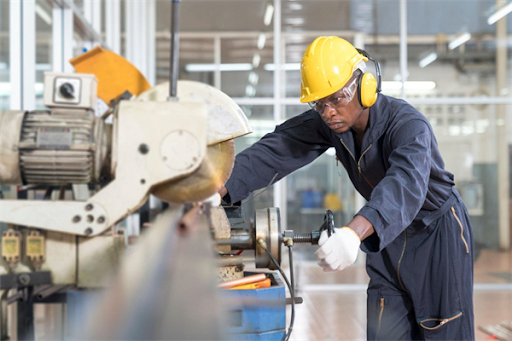
- Provide hearing protection if required
- Maintain equipment to reduce excessive noise
- Isolate loud machinery where possible
Hearing protection should be part of standard PPE in high-noise workshops.
7. Compressed Gas Hazards
The Risk
Laser cutting frequently uses compressed gases such as:
- Oxygen
- Nitrogen
- Compressed air
Improper handling of gas cylinders can lead to:
- High-pressure release injuries
- Fires (oxygen enrichment)
- Explosions
- Asphyxiation in poorly ventilated areas
Safety Controls
- Secure cylinders upright
- Use correct regulators
- Regularly inspect hoses
- Store gases according to regulations
- Keep oxygen away from oil or grease
Proper gas management reduces both fire and pressure-related risks.
8. Material Handling Risks
The Risk
Laser cutting often involves handling heavy sheets of metal. Manual lifting can result in:
- Back injuries
- Muscle strains
- Cuts from sharp edges
Freshly cut parts may have sharp burrs or hot surfaces.
Safety Controls
- Use lifting equipment for heavy sheets
- Wear cut-resistant gloves
- Allow parts to cool before handling
- Deburr sharp edges when necessary
- Provide proper manual handling training
Workshops that ignore ergonomic safety often see higher injury rates.
9. Inadequate Training and Human Error
The Risk
Even with advanced safety systems, human error remains a leading cause of accidents. Untrained or poorly supervised operators may:
- Override safety features
- Use incorrect settings
- Cut prohibited materials
- Ignore maintenance schedules
Lack of training increases every other risk category.
Safety Controls
- Provide certified laser safety training
- Conduct regular refresher courses
- Display clear operating procedures
- Encourage reporting of near misses
- Promote a strong safety culture
Safety must be reinforced consistently—not just during onboarding.
10. Poor Maintenance and Housekeeping
The Risk
Neglected machines are dangerous machines. Dust buildup, misaligned optics, blocked extraction systems, and worn components can all create hazards.
Common issues include:
- Overheating
- Increased fire risk
- Reduced cut quality
- Unexpected machine failure
Safety Controls
- Follow manufacturer maintenance schedules
- Clean lenses and mirrors regularly
- Replace worn parts promptly
- Keep work areas tidy
- Document inspections and repairs
Preventative maintenance is safer and more cost-effective than emergency repairs.
Personal Protective Equipment (PPE) for Laser Cutting
While engineering controls should always come first, PPE provides an additional layer of protection.
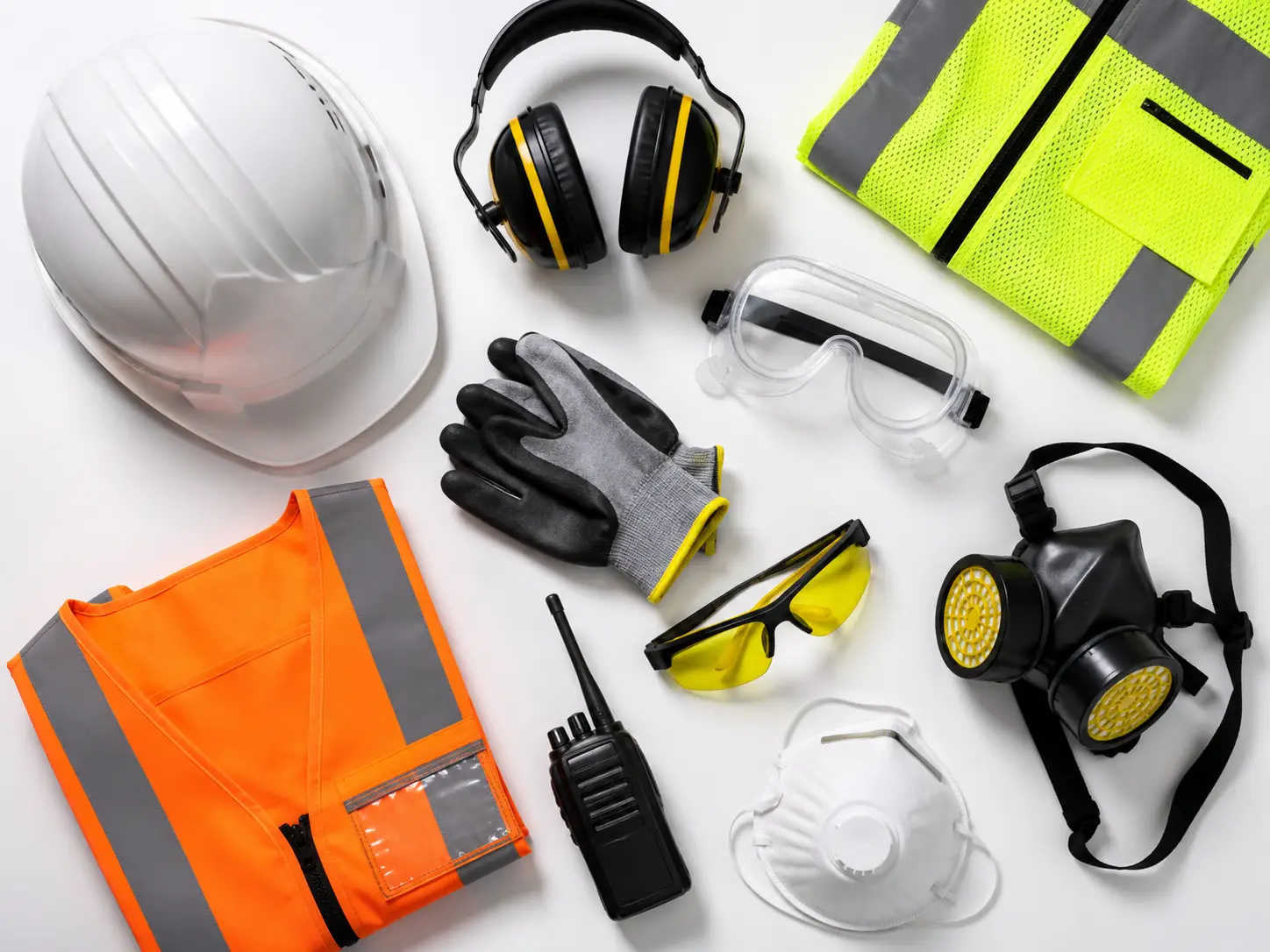
Typical PPE includes:
- Laser safety glasses (when required)
- Cut-resistant gloves
- Safety boots
- Protective clothing
- Hearing protection
- Respirators (if ventilation is insufficient)
PPE must match the specific risks of the material and environment.
Creating a Laser Cutting Safety Plan
A structured safety plan ensures that all risks are controlled consistently.
An effective plan should include:
- Risk assessments for each machine
- Material approval procedures
- Maintenance schedules
- Emergency response procedures
- Fire prevention measures
- Gas handling protocols
- Training documentation
Regular audits help ensure compliance and continuous improvement.
Emergency Preparedness
Even with strong safety controls, emergencies can occur.
Workshops should prepare for:
- Fires
- Gas leaks
- Electrical faults
- Medical emergencies
Ensure that:
- Emergency stops are clearly marked
- Fire extinguishers are accessible
- First aid kits are stocked
- Staff know evacuation routes
- Supervisors understand reporting procedures
Quick response can prevent minor incidents from becoming major accidents.
Professional Laser Cutting Services at Kirmell
At Kirmell, we offer precision laser cutting services tailored to meet the needs of manufacturers, fabricators, and construction professionals across the UK. Using advanced fibre laser technology, we deliver clean, accurate cuts on mild steel, stainless steel, and aluminium with minimal heat distortion and exceptional edge quality.
Whether you require detailed custom components, structural brackets, panels, or high-volume production runs, our laser cutting solutions ensure tight tolerances, fast turnaround times, and consistent results.
Our experienced team works closely with you to understand your specifications and provide cost-effective, reliable fabrication support from start to finish. With a strong focus on quality, efficiency, and material optimisation, we help streamline your production process while maintaining the highest standards.
Contact Kirmell today to discuss your project requirements or request a competitive quote for our professional laser cutting services.
Conclusion
Laser cutting is a powerful and precise manufacturing method, but it is not risk-free. High-energy beams, heat, fumes, electricity, and mechanical systems all create hazards that demand respect and proper control.
Understanding the main risks, such as laser radiation, fire, fumes, electrical systems, moving parts, gas handling, and human error, is the first step toward safer operations.
FAQs
[saswp_tiny_multiple_faq headline-0=”h4″ question-0=”What is the biggest safety risk in laser cutting?” answer-0=”The biggest safety risk is exposure to laser radiation, particularly to the eyes. Class 4 industrial lasers can cause permanent eye damage in milliseconds. Other major risks include fire hazards, toxic fumes, and electrical dangers. ” image-0=”” fontsize-0=”18″ fontunit-0=”px” count=”1″ html=”true”]
[saswp_tiny_multiple_faq headline-0=”h4″ question-0=”Do you need special glasses for laser cutting?” answer-0=”Yes, in certain situations. Fully enclosed laser cutting systems typically do not require operators to wear laser safety glasses during normal operation. However, if maintenance is being performed or if there is any chance of beam exposure, certified laser safety eyewear rated for the specific wavelength must be worn. ” image-0=”” fontsize-0=”18″ fontunit-0=”px” count=”1″ html=”true”]
[saswp_tiny_multiple_faq headline-0=”h4″ question-0=”What fumes are produced during laser cutting?” answer-0=”Laser cutting can produce metal oxides, fine particulates, and toxic gases depending on the material. Cutting galvanised steel may produce zinc fumes, while plastics can release hazardous chemical gases. Proper fume extraction and ventilation systems are essential to reduce health risks. ” image-0=”” fontsize-0=”18″ fontunit-0=”px” count=”1″ html=”true”]
[saswp_tiny_multiple_faq headline-0=”h4″ question-0=”Can laser cutting cause fires?” answer-0=”Yes. The intense heat generated by laser cutting can ignite flammable materials, dust, or vapours. Oxygen-assisted cutting increases fire risk because oxygen supports combustion. Regular cleaning, proper gas management, and fire suppression systems significantly reduce this risk. ” image-0=”” fontsize-0=”18″ fontunit-0=”px” count=”1″ html=”true”]
[saswp_tiny_multiple_faq headline-0=”h4″ question-0=”Is it safe to laser cut all materials?” answer-0=”No. Some materials should never be laser cut, including PVC and certain chlorine-containing plastics, as they release highly toxic gases. Always verify that materials are approved for laser processing before cutting. ” image-0=”” fontsize-0=”18″ fontunit-0=”px” count=”1″ html=”true”]
[saswp_tiny_multiple_faq headline-0=”h4″ question-0=”Why is ventilation important in laser cutting?” answer-0=”Ventilation removes harmful fumes, smoke, and microscopic particles produced during cutting. Without proper extraction systems, operators may be exposed to respiratory hazards and long-term health risks. ” image-0=”” fontsize-0=”18″ fontunit-0=”px” count=”1″ html=”true”]
[saswp_tiny_multiple_faq headline-0=”h4″ question-0=”How often should a laser cutting machine be maintained?” answer-0=”Maintenance schedules vary by manufacturer, but routine inspections should be carried out daily, weekly, and monthly depending on usage. Regular cleaning of optics, checking gas lines, and inspecting electrical components are critical for safe operation. ” image-0=”” fontsize-0=”18″ fontunit-0=”px” count=”1″ html=”true”]


