
What Are Metal Hinges? A Complete Guide to Types, Materials & Uses
Metal hinges are essential hardware components that allow doors, cabinets, gates, lids, and panels to open and close smoothly while staying securely attached to their frames. They work by connecting two surfaces with a pivot mechanism that allows controlled movement. Because hinges support weight and are used repeatedly, they need to be strong, durable, and suitable for the specific application.
Metal hinges are commonly used in homes, furniture, construction, and industrial equipment because they provide reliability and long-lasting performance. In this guide, we’ll explain what metal hinges are, how they work, the different types available, the materials they are made from, and where they are typically used.
What Is a Hinge?
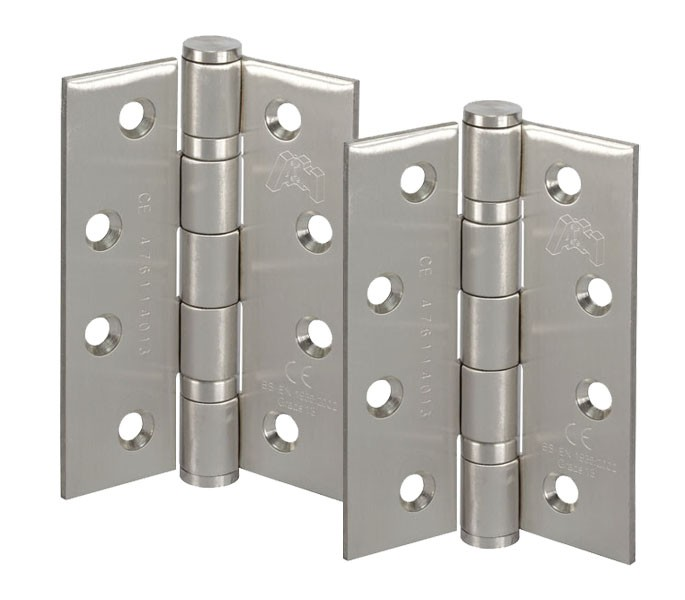
At its core, a hinge is a mechanical bearing that connects two solid objects and allows them to rotate relative to one another around a fixed axis. Think of a door and door frame the hinge lets the door swing open and closed, but keeps it securely attached.
Every hinge generally consists of two leaves (flat plates that attach to the surfaces) connected by a pin that acts as the pivot. When screws or welds secure the leaves, the pin lets the connected object rotate smoothly.
Because of this simple design, metal hinges are used across countless applications from cabinets and windows to industrial gates and machinery.
How Do Metal Hinges Work?
Metal hinges work by providing controlled rotational movement between two parts:
- One leaf is fixed to a base (like a door frame).
- The other leaf attaches to the moving object (like a door).
- The pin or barrel lets the two leaves pivot.
When you push or pull the movable part, the leaves rotate around the pin. Good hinge design ensures this motion is smooth, stable, and doesn’t wear out quickly.
This simple hinge mechanism is essential in daily life, making otherwise heavy doors or panels easy to open and close reliably.
Common Types of Hinges
There are many different hinge types available, each designed for specific functions, weight capacities, and installation methods. The type of hinge used often depends on factors such as the weight of the door or panel, how often it will be used, and whether it needs to be hidden or highly durable. Below are some of the most commonly used hinge styles and where they are typically applied.
- Butt Hinges
Butt hinges are one of the most widely used hinge types and are commonly found on interior and exterior doors in homes, offices, and commercial buildings. They consist of two rectangular metal plates, known as leaves, that are connected by a central pin. One leaf is attached to the door while the other is fixed to the frame.
These hinges are usually recessed slightly into the door and frame so that the hinge sits flush when the door is closed. Butt hinges are known for their strength, reliability, and simple design. They can support a good amount of weight and are available in different sizes and materials depending on the application.
- Rising Butt Hinges
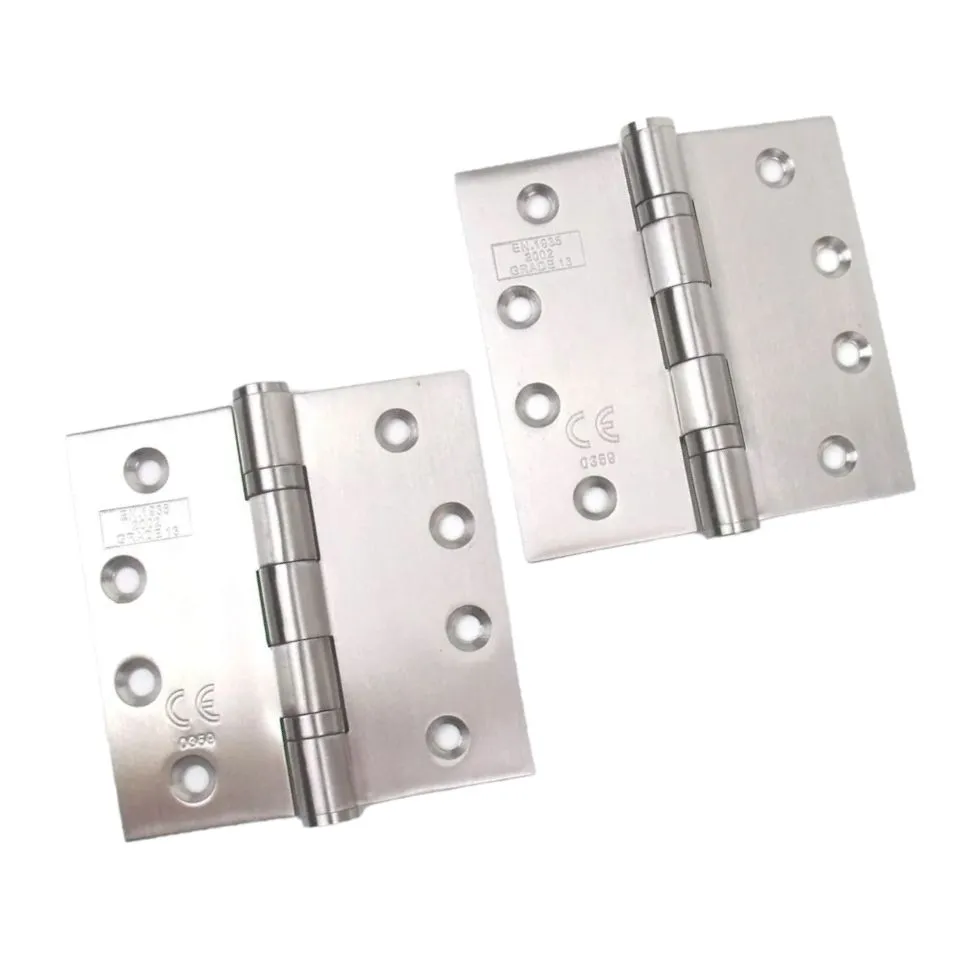
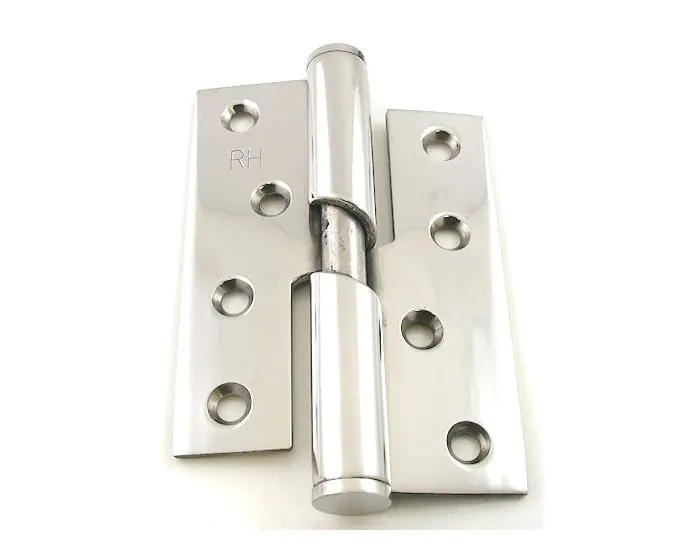
Rising butt hinges are a variation of the standard butt hinge but include a small design difference that causes the door to lift slightly as it opens. This lifting motion helps the door clear obstacles such as thick carpets, rugs, uneven flooring, or thresholds.
They are commonly used in situations where door clearance is important or where the door needs to close automatically due to gravity. When the door closes, the hinge lowers it back into position. Rising butt hinges are often used in older buildings, internal doors, or areas where flooring height can interfere with door movement.
- Pivot Hinges
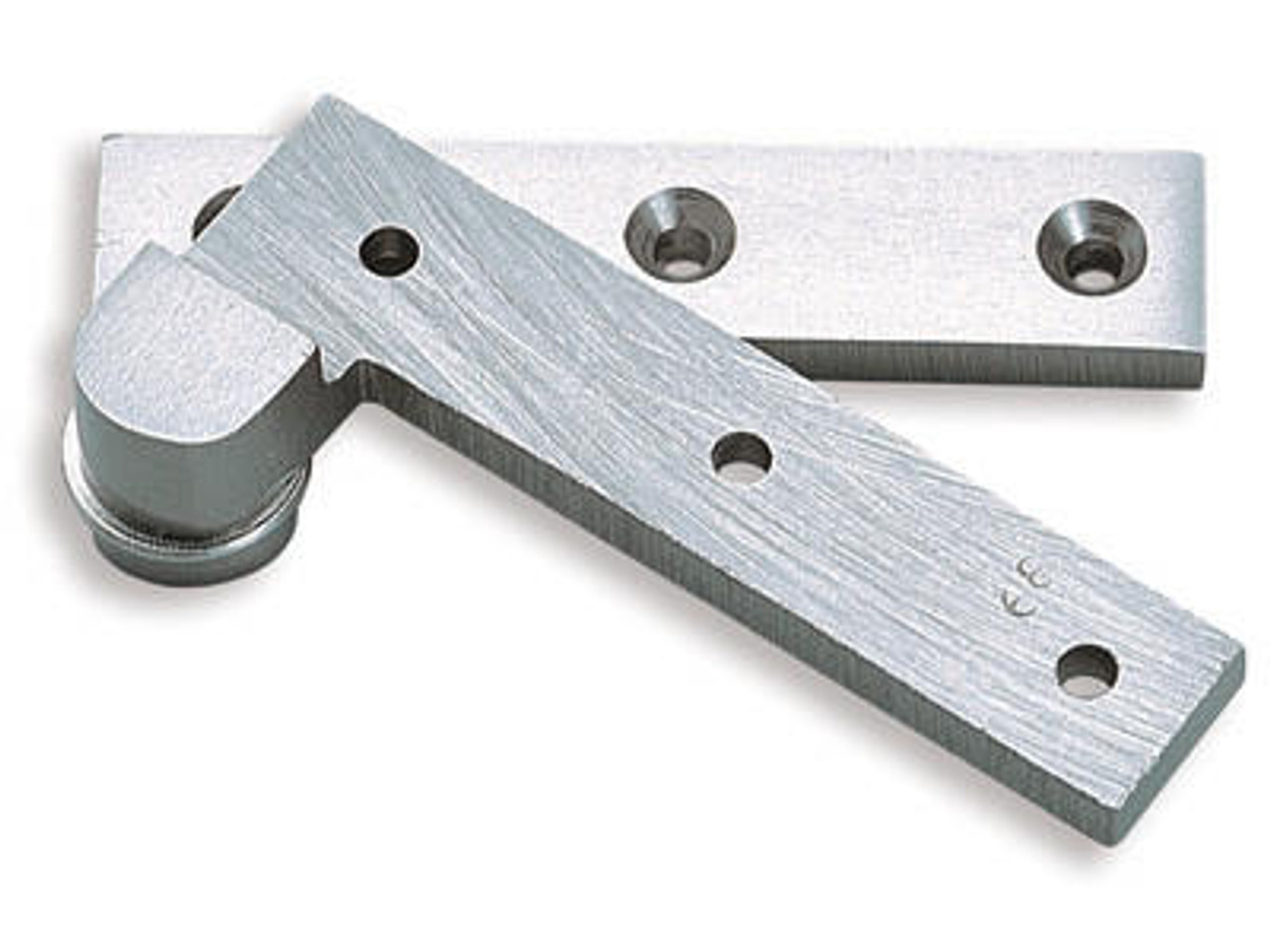
Pivot hinges operate differently from standard hinges because they allow the door to rotate on a pivot point rather than along the side edge. Instead of being attached along the vertical side of the door, these hinges are installed at the top and bottom of the door.
This design allows the door to rotate smoothly around a central axis. Pivot hinges are commonly used in modern architectural designs, glass doors, large entrance doors, and display cabinets. They can support heavy doors while providing a sleek and minimal appearance.
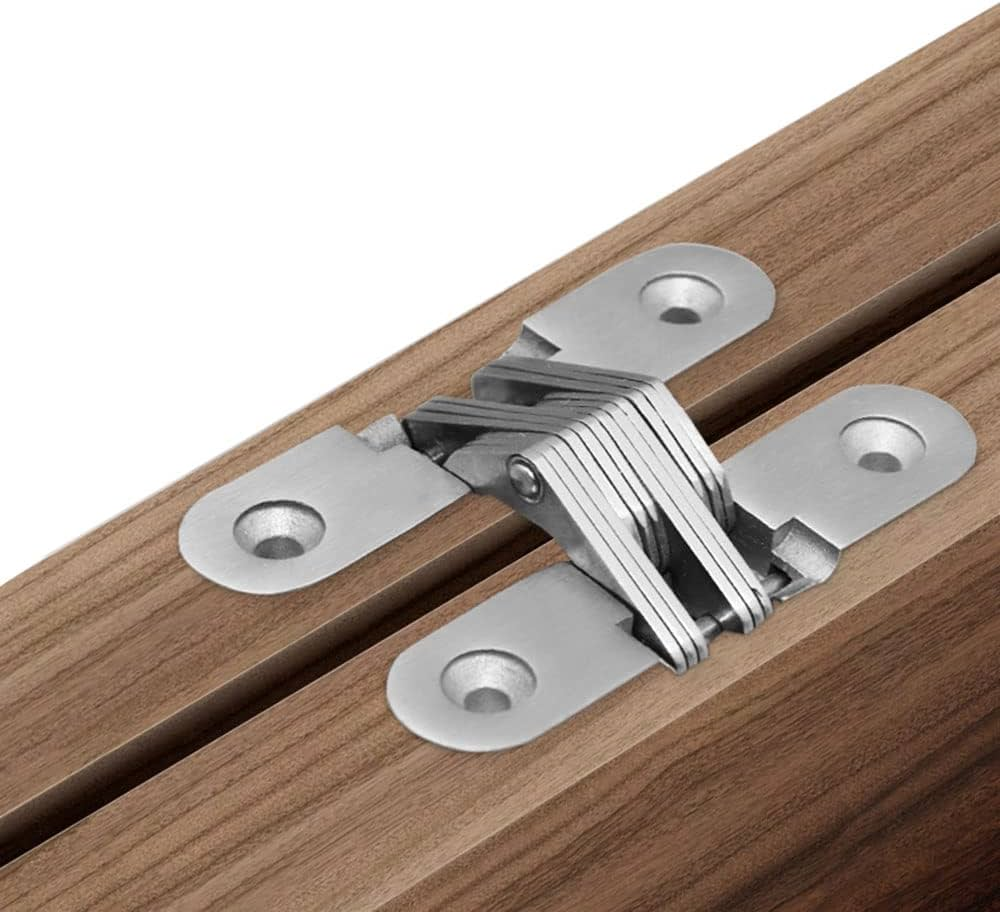
- Concealed Hinges
Concealed hinges, also known as hidden hinges, are designed so that they cannot be seen when the door or cabinet is closed. These hinges are widely used in modern furniture and kitchen cabinets because they provide a clean and seamless look.
They are installed inside the cabinet or door frame, making them invisible from the outside. Concealed hinges are also adjustable, allowing installers to fine-tune the door alignment after installation. Because of this flexibility and aesthetic appeal, they are very common in modern cabinetry and wardrobes.
- Continuous (Piano) Hinges
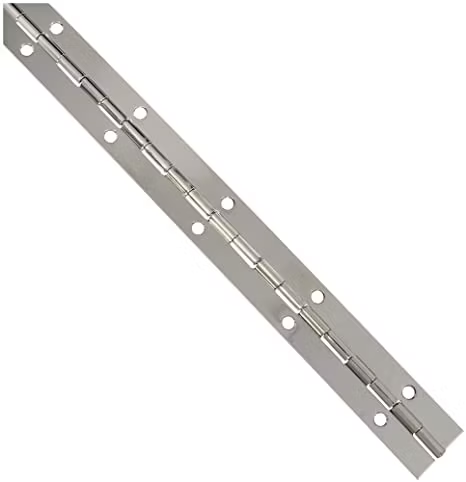
Continuous hinges, often referred to as piano hinges, run along the entire length of the door, lid, or panel they are attached to. Unlike standard hinges that support weight at only a few points, continuous hinges distribute weight evenly across the full length of the door.
This makes them extremely strong and suitable for long or heavy panels. They are commonly used on storage chests, toolboxes, access panels, industrial equipment, and long cabinet doors. Continuous hinges also help prevent door sagging by spreading the weight across the entire hinge length.
- Spring Hinges
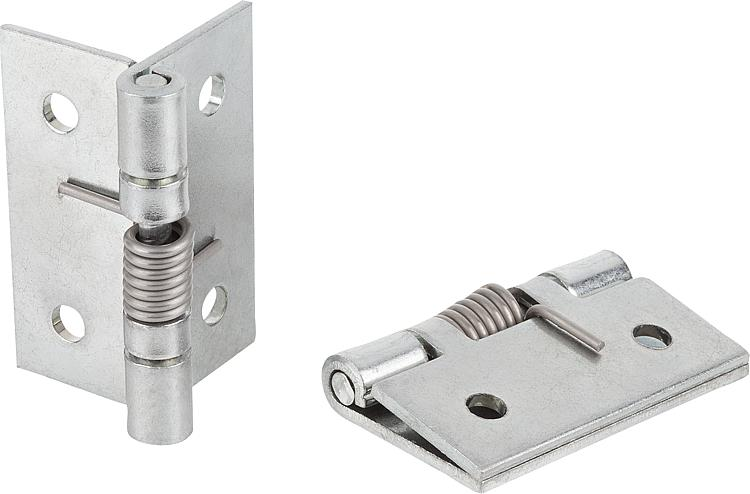
Spring hinges include an internal spring mechanism that automatically closes the door after it has been opened. The spring inside the hinge creates tension that pushes the door back into its closed position.
These hinges are commonly used in areas where doors must close automatically for safety or convenience. Examples include commercial buildings, restaurants, fire doors, and some residential doors, such as garage entries. Spring hinges can also be adjusted to control how quickly the door closes.
- Weldable Hinges
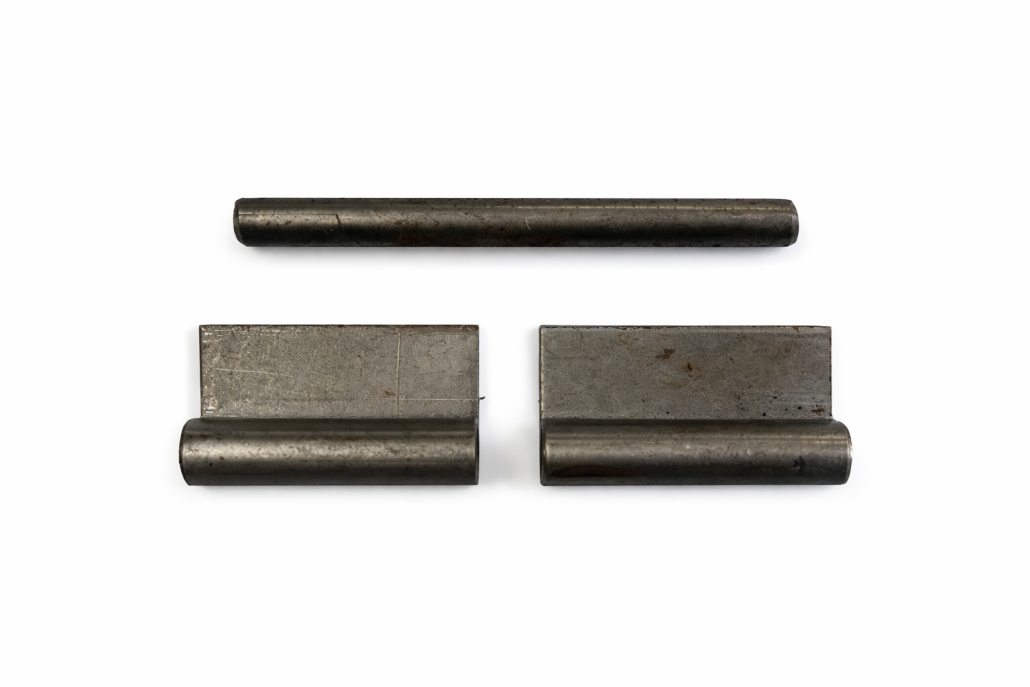
Weldable hinges are specifically designed for metal fabrication projects. Instead of being attached with screws like traditional hinges, they are welded directly onto metal surfaces such as steel doors, metal gates, machinery enclosures, and heavy equipment.
Because they are welded in place, they provide an extremely strong and permanent connection. Weldable hinges are widely used in industrial environments, workshops, and fabrication projects where strength and durability are critical.
- Heavy Duty Hinges
Heavy duty hinges are built for applications that require additional strength and load-bearing capacity. These hinges are thicker, stronger, and often larger than standard hinges. They are designed to support heavy doors, gates, industrial cabinets, and machinery covers.
Heavy duty butt hinges and heavy duty stainless steel hinges are commonly used in commercial buildings, warehouses, security doors, and outdoor gates. Their reinforced construction helps prevent bending, wear, and door sagging over time.
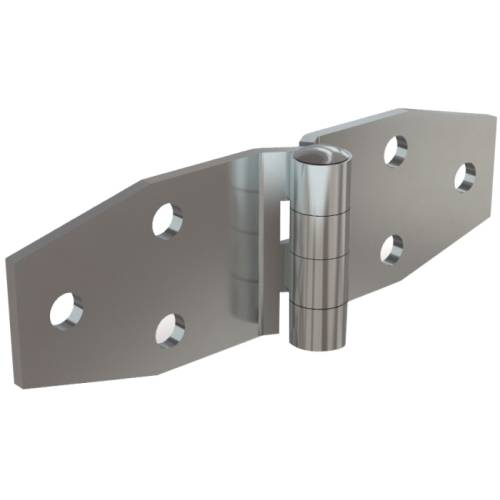
- Stainless Steel Hinges
Stainless steel hinges are designed for environments where corrosion resistance is important. Because stainless steel does not rust easily, these hinges are ideal for outdoor installations or areas exposed to moisture.
Stainless steel butt hinges are commonly used in kitchens, bathrooms, marine environments, coastal areas, and commercial settings. In addition to resisting corrosion, they also provide strong structural support and long-lasting performance.
- Trestle Hinge
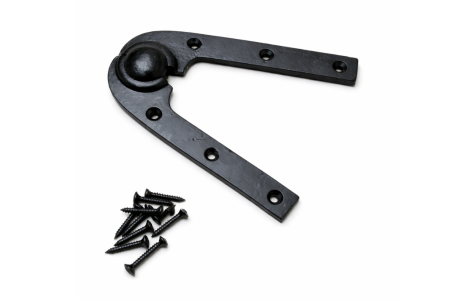
A trestle hinge is a durable, pivoting joint used to connect two wooden legs, often on A-frame structures like pasting tables, trestle tables, or small ladders. Typically made from cast or malleable iron, these hinges allow the legs to swing open to a specific angle (often 30° to 54°) and hold them securely
Buy Hinges From Kirmell
For fabrication, construction, and industrial applications, the Kirmell hinge range offers a variety of durable metal hinge solutions. Our collection includes strong weldable steel hinges designed for metal gates and fabrication projects, as well as trestle hinge steel folding support hinges that provide reliable folding support in workbenches, tables, and structural supports.
Place your order online and get a bulk discount.
What Materials Are Metal Hinges Made From?
The material used to manufacture a hinge plays an important role in its performance, durability, and resistance to environmental conditions. Different materials offer different advantages such as strength, corrosion resistance, weight, and appearance. Choosing the right hinge material helps ensure long-lasting performance and reliable operation.
Steel
Steel is one of the most widely used materials for metal hinges because of its strength and durability. Steel hinges can support heavy loads and handle frequent movement without easily bending or wearing out. This makes them suitable for doors, gates, cabinets, and many industrial applications.
In many cases, steel hinges are coated with protective finishes such as zinc plating, powder coating, or galvanisation. These coatings help prevent rust and increase the hinge’s lifespan, especially in environments where moisture or outdoor exposure is a concern.
Stainless Steel
Stainless steel is another popular hinge material, particularly in environments where corrosion resistance is important. Unlike regular steel, stainless steel contains chromium, which forms a protective layer that helps prevent rust and corrosion.
Because of this property, stainless steel hinges are commonly used in outdoor applications, kitchens, bathrooms, marine environments, and coastal areas. They are also widely used in commercial and industrial settings where hinges are exposed to moisture, chemicals, or frequent cleaning.
Brass
Brass hinges are known for their attractive appearance and natural resistance to corrosion. They are often used in decorative applications where aesthetics are important, such as interior doors, cabinets, furniture, and traditional architectural designs.
Although brass hinges are resistant to rust, they are generally softer than steel hinges. For this reason, they are more commonly used in light to medium duty applications rather than heavy doors or industrial equipment.
Aluminium
Aluminium hinges are lightweight and naturally resistant to corrosion. Because aluminium does not rust like iron-based metals, it performs well in environments where moisture or humidity is present.
These hinges are commonly used for lightweight doors, access panels, cabinets, and some outdoor installations. Aluminium hinges are also preferred in situations where reducing weight is important, such as in portable equipment or lightweight structures.
Bronze and Other Alloys
Bronze hinges and other metal alloys are sometimes used in specialised applications where both strength and corrosion resistance are required. Bronze is particularly valued for its durability and resistance to wear, which makes it suitable for marine environments and heavy-duty architectural uses.
Other metal alloys may combine different metals to achieve specific properties such as increased strength, improved corrosion resistance, or enhanced durability. These materials are often used in industrial or high-performance hinge designs.
Advantages of Metal Hinges
Metal hinges offer several benefits compared to hinges made from plastic or other materials. Their strength, durability, and reliability make them suitable for a wide range of residential, commercial, and industrial applications.
Durability and Strength
One of the main advantages of metal hinges is their ability to withstand heavy loads and repeated movement. Materials such as steel and stainless steel are strong enough to support large doors, gates, and equipment panels without bending or breaking.
Because of this strength, metal hinges can last for many years even in environments where they are used frequently.
Corrosion Resistance
Many metal hinges are designed to resist corrosion. Stainless steel hinges naturally resist rust, while steel hinges can be coated or plated to protect them from moisture and weather conditions.
This makes metal hinges suitable for both indoor and outdoor use, including environments where humidity, rain, or cleaning chemicals are present.
Versatility
Metal hinges are available in many shapes, sizes, and designs to suit different applications. Whether used in furniture, residential doors, industrial machinery, or outdoor gates, there are hinge types designed for nearly every situation.
This wide variety allows builders, fabricators, and homeowners to select the hinge that best fits their specific needs.
Common Uses of Metal Hinges
Metal hinges are used in countless everyday applications. Their ability to provide smooth movement while supporting weight makes them essential in many different industries and environments.
Doors and Gates
One of the most common uses of metal hinges is in doors and gates. They allow doors to open and close smoothly while remaining securely attached to the frame. Hinges are used on interior doors, exterior doors, security doors, and large metal gates.
Strong hinges ensure proper door alignment and prevent sagging over time.
Cabinetry and Furniture
In furniture and cabinetry, hinges are essential for cupboards, wardrobes, drawers, and storage units. Concealed hinges and butt hinges are commonly used in kitchen cabinets, wardrobes, and office furniture.
They provide smooth movement while maintaining the structure and appearance of the furniture.
Industrial Equipment
Metal hinges are also widely used in industrial equipment and machinery. Heavy duty hinges are often installed on access panels, machine guards, toolboxes, storage containers, and equipment covers.
In these applications, hinges must be strong enough to handle constant use and support heavier metal components.
Outdoor Structures
Many outdoor structures rely on metal hinges for reliable operation. Garden gates, sheds, storage units, and outdoor enclosures all use hinges to allow access while keeping structures secure.
In these environments, stainless steel or coated metal hinges are often preferred because they can resist rust and weather damage over time
How to Choose the Right Metal Hinge
Selecting the right hinge is important to ensure smooth operation, durability, and safety. The correct hinge should match the weight of the door or panel, the environment where it will be used, and the function it needs to perform. Considering these factors will help you choose a hinge that performs reliably and lasts for a long time.
Door Weight
The weight of the door or panel is one of the most important factors when choosing a hinge. Heavier doors require stronger hinges that can support the load without bending or wearing out quickly. In these cases, options such as heavy duty butt hinges or heavy duty stainless steel hinges are commonly used to provide additional strength and stability.
Function
Different applications may require hinges with specific functions. Some doors may need to close automatically, while others may need to lift slightly while opening or be easily removed for maintenance. Understanding how the door or panel will be used helps determine the most suitable hinge type for the job.
Quality Metal Hinges from Kirmell
At Kirmell, we supply a range of durable metal hinges designed to meet the needs of fabricators, builders, and DIY users. Our hinge range includes strong, reliable options, such as weldable steel hinges and trestle folding support hinges, suitable for gates, metal frames, workbenches, and other structural applications. Built from high-quality materials, these hinges are designed to provide strength, smooth movement, and long-lasting performance in demanding environments.
Whether you are working on a fabrication project, repairing a gate, or building a new structure, choosing the right hinge is essential for stability and reliability. Kirmell hinges are designed to deliver dependable performance, are easy to install, and are suitable for a wide range of metalworking and construction applications.
Explore the full range of Kirmell hinges today and find the right solution for your next project.
Conclusion
Metal hinges are simple yet essential hardware components that make everyday movement possible from opening a cupboard to swinging open a heavy gate. Understanding the different types, materials, and uses helps you choose the right hinge for your specific project.
Whether you need rising butt hinges, stainless steel hinges, heavy duty stainless steel hinges, heavy duty butt hinges, or stainless steel butt hinges, selecting the correct hinge ensures strength, durability, and smooth operation for years to come.
Although small in size, hinges play a massive role in safety, functionality, and convenience in both residential and industrial environments.
FAQs
How long do metal hinges typically last?
The lifespan of metal hinges depends on the material, usage, and environment. High-quality hinges made from steel or stainless steel can last many years, even decades, when properly installed and maintained. Hinges used on frequently opened doors or exposed to outdoor conditions may require occasional lubrication or replacement sooner.
Can hinges affect how smoothly a door opens?
Yes, the type and quality of hinges can significantly affect how smoothly a door operates. Poor-quality or incorrectly sized hinges can cause friction, squeaking, or uneven movement. Choosing well-made hinges and installing them correctly helps ensure a smoother and quieter opening and closing motion.
What causes door hinges to squeak?
Squeaking usually happens when friction develops between the hinge pin and the hinge knuckles. This can occur due to dirt, dust, rust, or lack of lubrication. Applying a small amount of lubricant or oil to the hinge pin usually solves the problem and restores smooth movement.
Can hinges be replaced without removing the entire door?
In many cases, hinges can be replaced without fully removing the door, especially if only the hinge pin needs to be changed. However, for easier installation and proper alignment, removing the door temporarily is often recommended when replacing the entire hinge.
Do hinges come with weight ratings?
Yes, many hinges are designed with specific load capacities. Manufacturers often provide weight ratings that indicate how much weight a hinge can safely support. Checking these ratings helps ensure the hinge can handle the door or structure it will support.
What finish options are available for metal hinges?
Metal hinges come in a variety of finishes depending on the material and application. Common finishes include zinc-plated, brushed steel, polished chrome, black powder coating, and brass finishes. The finish not only affects the appearance but can also provide additional protection against corrosion.
Are metal hinges suitable for heavy industrial projects?
Yes, metal hinges are widely used in industrial settings because of their strength and durability. In fabrication, machinery, and large metal structures, hinges must handle heavier loads and frequent use, making strong steel or stainless steel hinges a reliable choice.