
Assembly Problems in Sheet Metal Parts: Causes and Solutions
Sheet metal fabrication plays a critical role in modern manufacturing. From automotive components and electrical enclosures to construction brackets and machinery parts, sheet metal parts are used across countless industries. However, one of the most common challenges manufacturers face is assembly problems caused by sheet metal parts that do not fit correctly.
When parts fail to align or assemble properly, it can lead to production delays, increased costs, rework, and quality issues. Understanding the causes behind these problems is essential for improving efficiency and maintaining product quality.
In this article, we will explore the most common causes of sheet metal assembly problems and practical solutions to prevent them.
Why Assembly Issues Occur in Sheet Metal Fabrication
Sheet metal parts go through multiple processes, such as cutting, punching, bending, welding, and finishing, before they reach the assembly stage. Even a small error in any of these steps can affect the final dimensions of the part.
Because sheet metal components often rely on precise tolerances and alignment, even minor variations can cause parts to misfit during assembly. Identifying these issues early can help manufacturers avoid costly production problems.
Common Causes of Assembly Problems in Sheet Metal Parts
1. Incorrect Dimensional Tolerances
One of the most frequent causes of assembly problems is incorrect or poorly defined tolerances. Tolerances define the acceptable variation in part dimensions. If tolerances are too tight, parts may not fit during assembly. If they are too loose, components may become unstable or misaligned.
For example, if multiple sheet metal components are designed with minimal clearance, small deviations during manufacturing can cause parts to clash or prevent proper alignment.
Solution:
Manufacturers should carefully define tolerances during the design stage. Engineers must consider:
- Material behavior during bending
- Manufacturing capability
- Required assembly clearance
Using standard manufacturing tolerances and conducting tolerance stack-up analysis can help avoid fit issues.
2. Bending Inaccuracies
Bending is a critical step in sheet metal fabrication. However, it can also introduce dimensional variations that affect assembly.
Several factors influence bending accuracy, including:
- Material thickness variations
- Incorrect bend allowance calculations
- Machine calibration errors
- Tool wear
If bend angles or flange lengths deviate even slightly from the design, the entire part geometry can shift, causing holes and mounting points to misalign during assembly.
Solution
To reduce bending inaccuracies:
- Use correct bend allowance and bend deduction calculations
- Maintain and calibrate press brake machines regularly
- Perform first-piece inspections
- Use accurate tooling and setups
Simulation software can also help predict bending behavior before production begins.
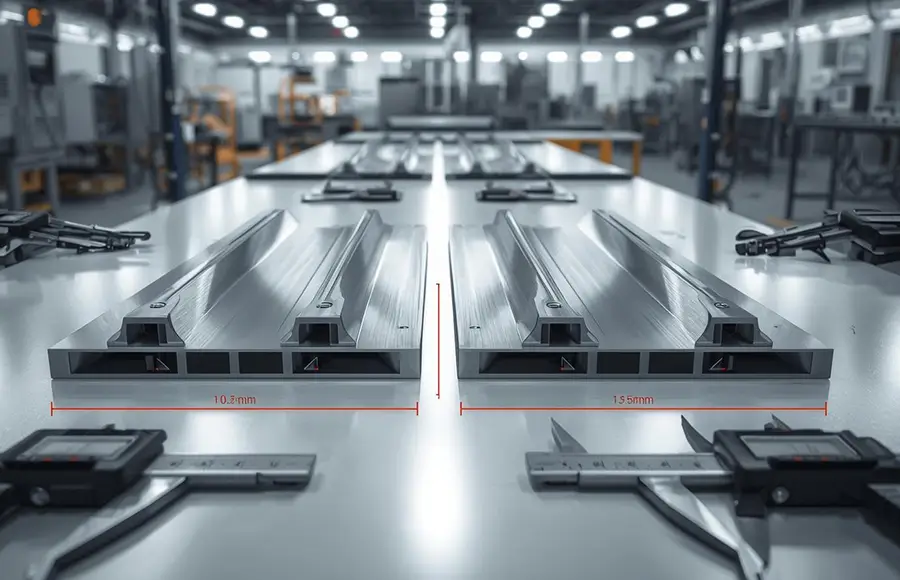
3. Hole Misalignment
Many sheet metal assemblies rely on fasteners such as bolts, rivets, or screws, which require precisely aligned holes. When holes do not line up, assembly becomes difficult or impossible.
Hole misalignment can occur due to:
- Inaccurate punching or laser cutting
- Distortion during bending
- Incorrect hole placement in design
- Cumulative tolerance errors
Even a small shift of a few millimeters can prevent fasteners from fitting correctly.
Solution:
Designers should ensure that holes are placed at an appropriate distance from bends and edges. This helps avoid distortion during bending.
Additionally:
- Use precise CNC punching or laser cutting equipment
- Implement quality checks for hole positioning
- Consider slotted holes where slight adjustment may be required
Read the Differences Between Metal Punching and Stamping.
4. Material Deformation and Warping
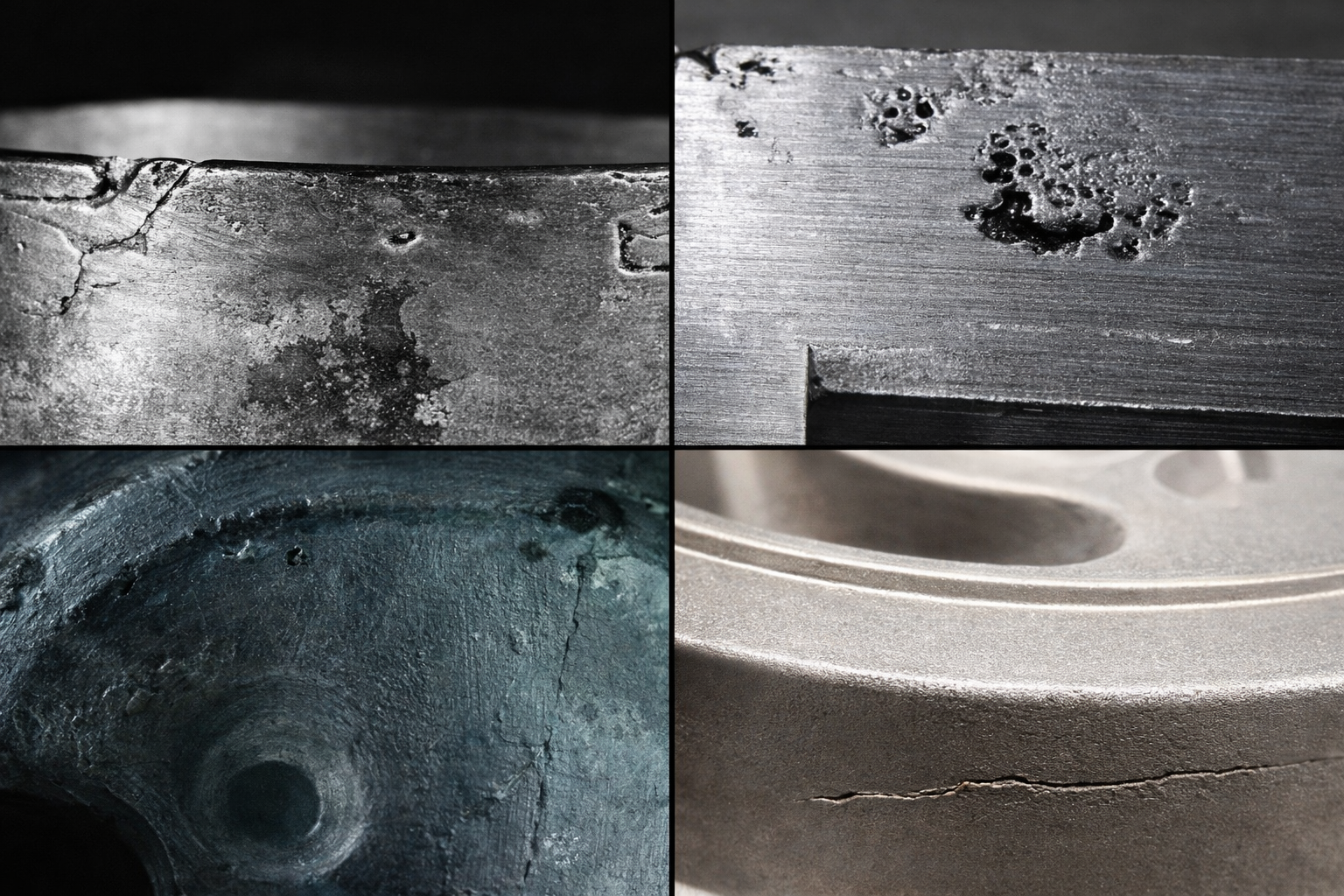
Sheet metal parts can deform during manufacturing processes such as cutting, welding, or heat treatment. Warping can make parts difficult to assemble because flat surfaces no longer align properly.
Common causes of deformation include:
- Heat buildup during welding
- Improper clamping during cutting
- Internal stress in the material
- Thin sheet metal lacking structural rigidity
When parts warp, they may require excessive force during assembly or fail to fit altogether.
Solution
To minimise deformation:
- Use proper clamping and fixturing during fabrication
- Optimize welding sequences
- Control heat input
- Select appropriate material thickness
In some cases, adding stiffening features such as ribs or flanges can improve structural stability.
Also read How to Reduce Sheet Metal Fabrication Expenses Efficiently.
5. Poor Design for Manufacturability (DFM)
Design issues are often responsible for many sheet metal assembly problems. If a part is not designed with manufacturing constraints in mind, it can create complications during production and assembly.
Examples of poor design include:
- Bends placed too close to holes
- Inaccessible fastener locations
- Complex geometries that are difficult to fabricate
- Insufficient assembly clearance
Without proper design considerations, even advanced manufacturing equipment may struggle to produce consistent parts.
Solution
Applying Design for Manufacturability (DFM) principles during product development can significantly reduce assembly problems.Engineers should collaborate closely with fabricators to ensure designs are practical and manufacturable.
Key DFM practices include:
- Maintaining minimum distances between holes and bends
- Using standard bend radii
- Avoiding unnecessary complexity
- Designing for easy assembly access
6. Inconsistent Material Thickness
Sheet metal materials can sometimes vary slightly in thickness, even within the same batch. This variation can affect bending results and final dimensions.
For example, thicker material may require different bending force and may result in slightly different bend angles. When multiple parts with varying thickness are assembled together, alignment issues can occur.
Solution
Manufacturers should source materials from reliable suppliers with consistent quality standards.
Additional steps include:
- Verifying material thickness during inspection
- Adjusting machine settings based on material properties
- Maintaining proper inventory tracking
7. Surface Finishing Effects
Surface finishing processes such as powder coating, galvanizing, or plating can add thickness to sheet metal parts. Although the added thickness may seem small, it can affect assembly fit, especially when parts require tight tolerances.
For example, powder coating can add 50–100 microns of thickness, which may prevent parts from fitting into slots or mating surfaces.
Solution
Designers should account for coating thickness during the design stage.
Possible solutions include:
- Increasing clearances in mating parts
- Masking critical surfaces during finishing
- Testing assembly after finishing processes

Best Practices to Prevent Sheet Metal Assembly Problems
Preventing assembly issues requires a combination of good design, precise manufacturing, and thorough quality control.
Here are some best practices manufacturers can follow.
Perform Tolerance Stack-Up Analysis
Tolerance stack-up analysis helps engineers understand how small dimensional variations accumulate across multiple components. This analysis allows designers to ensure that assembled parts will still fit within acceptable limits.
Use Prototyping and Test Assemblies
Before full production begins, manufacturers should create prototype parts and perform trial assemblies. This process helps identify potential issues early and allows engineers to make adjustments before large-scale manufacturing.
Implement Quality Control Procedures
Quality control plays a vital role in preventing assembly problems.
Inspection procedures may include:
- Dimensional checks
- Bend angle verification
- Hole position measurement
- Surface flatness testing
Using CMM (Coordinate Measuring Machines) or laser measurement tools can improve accuracy.
Improve Communication Between Design and Manufacturing Teams
Many assembly issues occur due to a lack of communication between designers and fabricators. Engineers may design parts based on theoretical models without considering real-world manufacturing constraints.
Close collaboration between teams ensures designs are practical, manufacturable, and assembly-friendly.
Use Advanced Manufacturing Technology
Modern fabrication technologies can significantly improve accuracy and consistency.
Examples include:
- CNC laser cutting
- Automated press brake bending
- CAD/CAM simulation software
- Robotic welding systems
These technologies help reduce variations and improve assembly fit.
Conclusion
Assembly problems in sheet metal parts are common but often preventable. Issues such as incorrect tolerances, bending inaccuracies, hole misalignment, material deformation, poor design practices, and finishing effects can all contribute to parts that do not fit correctly during assembly.
Addressing these challenges requires a proactive approach that combines smart design, precise manufacturing processes, and effective quality control.
When manufacturers prioritise design for manufacturability, maintain strict process control, and perform thorough inspections, they can significantly reduce assembly issues and achieve smoother production workflows.
Ultimately, solving sheet metal assembly problems not only improves operational efficiency but also ensures reliable, high-quality products that meet industry standards and customer expectations.
FAQs
Digital simulation tools such as CAD-based assembly simulations and bend prediction software allow engineers to test how parts will behave before manufacturing begins. These tools can detect interference, clearance issues, and assembly conflicts early in the design stage, reducing the risk of costly errors during production.
Assembly sequencing determines the order in which components are installed. If parts are assembled in the wrong order, certain fasteners or joints may become inaccessible. Proper sequencing ensures that each component can be installed efficiently without forcing parts or causing misalignment.
Temperature and humidity can influence material expansion, contraction, and coating behavior. In precision assemblies, small thermal expansions can affect alignment. Manufacturers working with tight tolerances often control environmental conditions in production areas to maintain dimensional stability.
Jigs and fixtures are specialised tools used to hold sheet metal parts in the correct position during assembly. They ensure consistent alignment, reduce human error, and speed up the assembly process. In high-volume production, well-designed fixtures can significantly improve product quality and efficiency.
Modular design divides complex products into smaller, standardized subassemblies. This approach simplifies manufacturing, reduces alignment problems, and allows individual modules to be tested separately before final assembly.