
A Buyer’s Checklist for Pallet Feet: What Every Procurement Manager Should Know
In material handling and logistics, pallet design plays a vital role in ensuring safe storage, efficient transport, and long-term durability. While deck boards and runners often receive most of the attention, pallet feet are just as critical. They directly influence load stability, stacking strength, forklift compatibility, and overall pallet lifespan.
For procurement managers, selecting the right pallet feet is not just a technical decision—it affects operational efficiency, maintenance costs, safety compliance, and supplier reliability. This checklist is designed to help buyers make informed decisions by covering all the key factors that should be considered before placing an order.
1. Understand the Role of Pallet Feet in Load Performance
Pallet feet act as the primary load-bearing points of a pallet. They distribute weight evenly across the base and help maintain clearance for forklifts, pallet jacks, and conveyor systems. Poorly designed or unsuitable pallet feet can result in uneven loading, product damage, or pallet failure during handling.
Before purchasing, consider:
- The maximum static and dynamic load requirements
- Whether pallets will be stacked empty or fully loaded
- The type of handling equipment used across your supply chain
Understanding how pallet feet contribute to structural performance ensures that your pallets meet both operational and safety expectations. Also, read in more detail regarding What Are Pallet Feet and their different types.
2. Choose the Right Material for Your Application
Material selection is one of the most important decisions in pallet feet procurement. Different materials offer varying levels of strength, durability, and environmental resistance.
Common material options include:
- Plastic: Lightweight, corrosion-resistant, and suitable for hygienic environments
- Wood: Cost-effective but less durable and prone to moisture damage
- Metal: High strength, long lifespan, and ideal for heavy-duty or export pallets
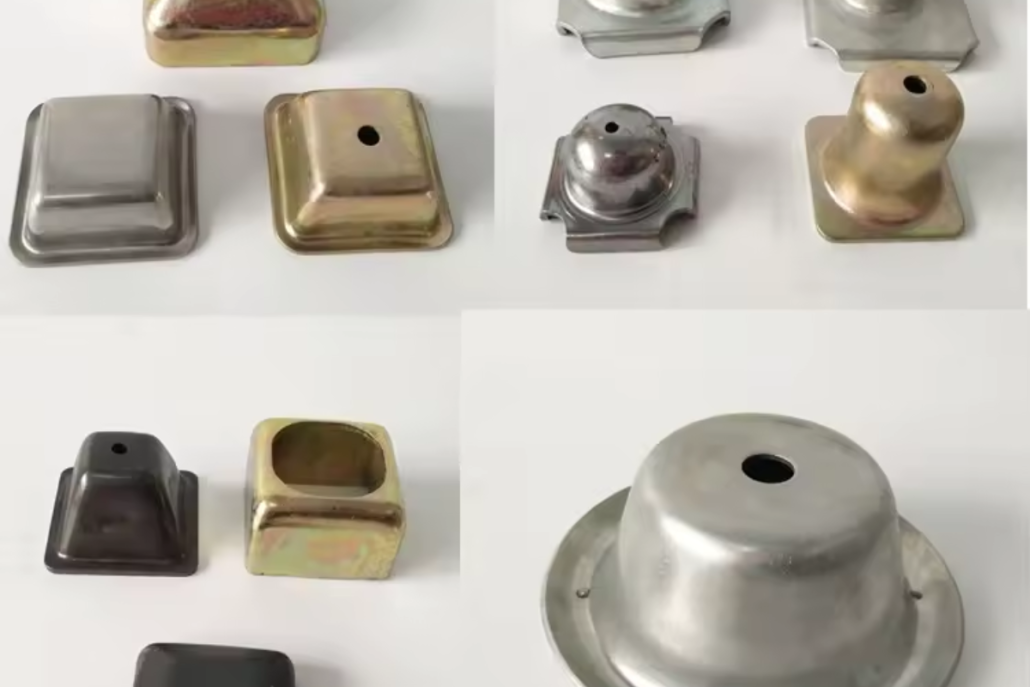
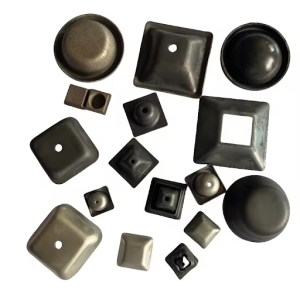
For demanding industrial environments or high-load applications, steel pallet feet are often preferred due to their superior load capacity, impact resistance, and long-term durability.
At Kirmell, pallet feet are developed with a strong focus on material strength, durability, and real-world handling demands across industrial supply chains. This helps buyers select pallet components that deliver reliable performance over time. Contact us today to discuss the right pallet feet solution for your application.
3. Evaluate Load Capacity and Weight Distribution
Procurement managers should always verify load ratings provided by suppliers. This includes:
- Static load (when pallets are stationary)
- Dynamic load (during movement)
- Racking load (when stored on racks)
Equally important is how the load is distributed across each foot. A design that concentrates stress on fewer contact points may fail prematurely. Always request technical specifications, test data, or certifications that validate load performance claims.
4. Check Dimensional Accuracy and Consistency
Even minor dimensional variations can cause significant issues in automated or high-volume operations. Inconsistent pallet feet dimensions may result in:
- Poor pallet alignment on conveyors
- Forklift entry problems
- Instability during stacking
Ensure that the pallet feet meet precise dimensional tolerances and are manufactured consistently across batches. This is especially critical when integrating new pallets into an existing system.
5. Assess Compatibility with Handling and Storage Systems
Pallet feet must work seamlessly with your current infrastructure. This includes:
- Forklift and pallet jack clearance
- Conveyor compatibility
- Racking system requirements
For example, certain pallet feet designs are better suited for block pallets, while others are optimised for nestable or stackable pallets. A mismatch can reduce efficiency and increase handling risks. Also read How to Install Pallet Feet the Right Way on your storage systems.
6. Consider Environmental and Usage Conditions
Procurement decisions should account for where and how pallets will be used. Key environmental factors include:
- Exposure to moisture or chemicals
- Temperature extremes
- Indoor vs outdoor storage
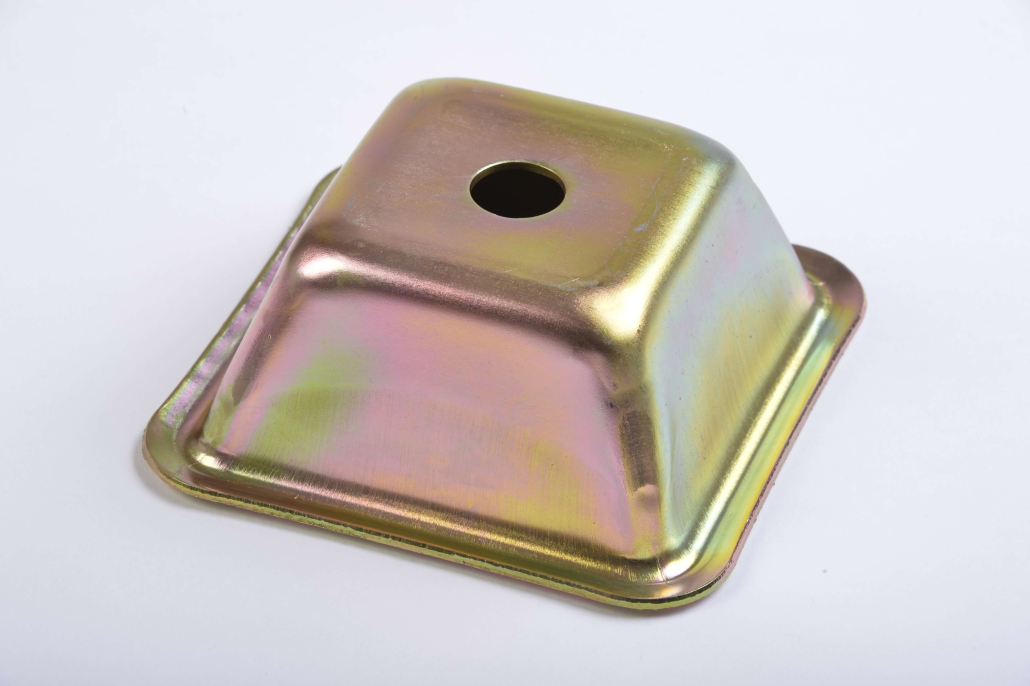
Metal pallet feet may require specific surface finishes or coatings for corrosion resistance, while plastic alternatives may be affected by UV exposure or brittleness in cold conditions. Matching the feet design to the operating environment extends service life and reduces replacement costs.
7. Review Manufacturing Quality and Process Control
Not all pallet feet are produced to the same standard. High-quality manufacturing involves:
- Consistent raw materials
- Precision forming or moulding
- Robust quality control procedures
When evaluating a pallet feet manufacturer, ask about production methods, inspection processes, and traceability. Reliable suppliers should be able to demonstrate compliance with recognised quality standards and provide documentation on request.
Kirmell supports procurement teams by supplying pallet feet produced with consistent ISO manufacturing standards and controlled processes. This reliability makes repeat ordering simpler and reduces variation across pallet batches. Get in touch with us to order pallet feet with confidence. Browse through our pallet feet catalog and order right now.
8. Verify Compliance with Industry and Export Standards
If pallets are used for international shipping, compliance becomes essential. Depending on the destination and industry, this may include:
- ISPM 15 regulations (for wood components)
- Food-grade or hygiene standards
- Load safety and handling regulations
Even when pallet feet themselves are exempt from certain treatments, their integration into the pallet system must still meet overall compliance requirements. Procurement managers should confirm this early to avoid costly delays or rejected shipments.
9. Evaluate Durability and Total Cost of Ownership
The initial unit price should never be the sole deciding factor. Instead, consider the total cost of ownership, which includes:
- Expected lifespan
- Maintenance or replacement frequency
- Downtime caused by pallet failures
Higher-quality pallet feet may have a higher upfront cost but deliver better long-term value through reduced breakage and fewer operational disruptions. This is particularly relevant in high-turnover logistics environments.
10. Assess Supplier Reliability and Lead Times
A dependable supply chain is crucial for procurement planning. When selecting a pallet feet supplier, evaluate:
- Production capacity and scalability
- Lead times and delivery reliability
- Ability to handle repeat or bulk orders
Consistent availability reduces the risk of production delays and helps maintain stable inventory levels. Long-term partnerships with reliable suppliers often result in better pricing, improved service, and smoother operations.
11. Customisation and Design Support
Standard pallet feet may not always meet specific operational needs. Some applications require:
- Custom dimensions
- Special hole patterns or fixing points
- Reinforced designs for higher loads
Suppliers that offer design support and custom manufacturing can add significant value. Early collaboration between procurement, engineering, and the supplier often results in a more efficient and fit-for-purpose solution.
12. Packaging, Storage, and Handling Considerations
How pallet feet are packed and delivered also matters. Poor packaging can lead to damage before use, while inefficient packing increases storage space requirements.
Ask suppliers about:
- Bulk vs palletised packaging
- Protection during transport
- Ease of handling at your facility
Efficient packaging reduces waste, speeds up handling, and lowers overall logistics costs.
13. Sustainability and Environmental Impact
Sustainability is increasingly influencing procurement decisions. Consider:
- Recyclability of materials
- Waste reduction during manufacturing
- Longevity and reusability of pallet feet
Durable designs that last longer contribute to reduced material consumption over time. Some organisations also prioritise suppliers that follow responsible sourcing and environmentally conscious production practices.
14. After-Sales Support and Documentation
Reliable suppliers provide more than just products. Good after-sales support includes:
- Clear installation guidelines
- Technical documentation
- Responsive customer service
This support can be invaluable when troubleshooting issues or integrating pallet feet into new pallet designs. It also reflects the supplier’s commitment to long-term customer relationships.
15. Final Checklist Before Placing an Order
Before confirming your purchase, ensure you have:
- Verified load ratings and material suitability
- Checked dimensional accuracy and compatibility
- Reviewed compliance and quality standards
- Assessed supplier reliability and support
A structured checklist reduces risk and ensures that pallet feet procurement aligns with both operational needs and long-term business goals.
Why Choose Kirmell for Pallet Feet and Industrial Components
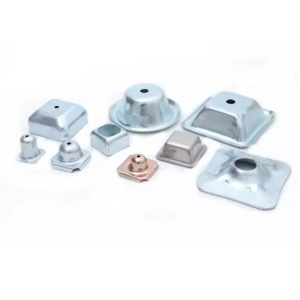
Kirmell supplies a wide range of pallet feet designed to meet the practical needs of procurement teams across warehousing, manufacturing, and logistics operations. Our products are developed with a focus on strength, dimensional consistency, and compatibility with modern handling systems, helping businesses maintain reliable pallet performance in day-to-day use.
Whether you require standard pallet feet or solutions aligned with specific load and application requirements, Kirmell provides dependable products backed by controlled manufacturing and quality checks. Explore our pallet feet range and other products we offer, or contact our team to place an order and ensure your pallet systems are built to perform with confidence.
Conclusion
Pallet feet may seem like a small component, but their impact on pallet performance, safety, and cost efficiency is significant. For procurement managers, making the right choice requires a balance of technical understanding, supplier evaluation, and long-term planning.
By following this buyer’s checklist, you can move beyond price-driven decisions and focus on value, reliability, and performance. Well-chosen pallet feet contribute to smoother logistics operations, lower maintenance costs, and stronger supply chain resilience—making them a critical consideration in any pallet procurement strategy.
FAQs
How do pallet feet affect pallet load capacity?
Are pallet feet suitable for automated handling systems?
How do I choose the right pallet feet for my application?
Where can I buy pallet feet for industrial use?
What types of pallet feet does Kirmell offer?