
How Laser Cutting Is Used to Shape Wood and Acrylic
Laser cutting has become an essential manufacturing and design process across many industries. It allows materials to be shaped with a level of accuracy, consistency, and finish that is difficult to achieve using traditional cutting methods. Among the wide range of materials that can be processed, wood and acrylic are two of the most commonly used.
From furniture and signage to decorative panels and product displays, laser-cut wood and acrylic are now widely seen in both commercial and creative applications. This blog explores how laser cutting works, why it is so effective for these materials, and how it is used in real-world manufacturing.
How the Laser Cutting Process Works
The laser cutting process begins with a digital design created using CAD or graphic design software. This design defines the shape, size, and details of the finished part.
Once the design is ready, the material sheet is placed onto the laser bed. The machine settings are adjusted based on the material type and thickness. During cutting, the laser follows the programmed path precisely, producing clean and consistent results. The finished component is then removed, often without the need for further finishing.
Why Laser Cutting Is Ideal for Wood and Acrylic
Wood and acrylic are two materials that respond exceptionally well to laser cutting. Their physical properties allow the laser to cut with control and precision, producing high-quality results across a wide range of applications. Whether the goal is functional manufacturing or detailed decorative work, laser cutting provides a reliable and efficient solution.
Below are the key reasons why laser cutting is particularly well suited for wood and acrylic.
Clean and Smooth Edges
One of the most noticeable advantages of laser cutting is the quality of the cut edges. For both wood and acrylic, the laser creates clean, smooth edges without the roughness often associated with traditional cutting tools.
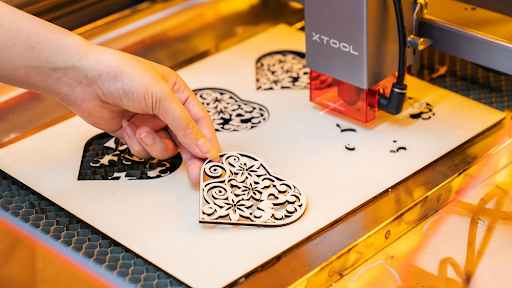
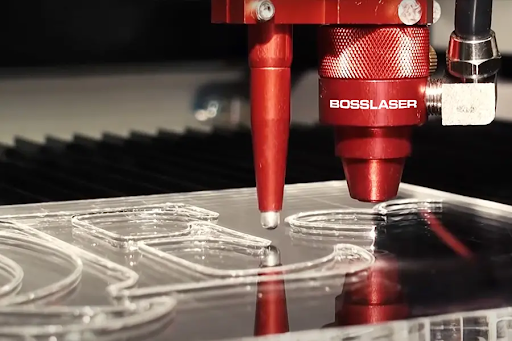
In wood, the laser produces a sharp cut with a lightly darkened edge, which often enhances the appearance rather than detracting from it. In acrylic, the laser melts the material along the cutting path, leaving a polished, glossy edge that usually requires no additional finishing. This level of edge quality saves time and ensures a professional final appearance.
High Design Accuracy
Laser cutting is controlled by digital design files, which allows for extremely high accuracy. Even the smallest details, such as fine lines, sharp corners, and intricate patterns, can be reproduced exactly as designed.
This accuracy makes laser cutting suitable for both simple geometric shapes and complex designs. Logos, lettering, decorative patterns, and precision components can all be cut with confidence, knowing the final result will closely match the original design.
Consistent Repeatability
Consistency is essential in both small-scale and large-scale production. Laser cutting excels in this area because each cut follows the same programmed path every time.
For wood and acrylic, this means that every part in a batch is identical in size, shape, and finish. This level of repeatability is especially important for manufacturing, signage, display systems, and product components where uniformity is required across multiple pieces.
Minimal Material Waste
Laser cutting is a highly efficient process that uses material effectively. The laser beam is very narrow, which reduces the amount of material lost during cutting. Designs can also be nested closely together on a sheet, maximising material usage.
Both wood and acrylic benefit from this efficiency, as less waste means lower material costs and reduced environmental impact. This makes laser cutting an economical choice, particularly for projects that require multiple parts or detailed layouts.
Read in more detail regarding how laser cutting reduces waste and improves overall production efficiency.
Fast Production Times
Speed is another key advantage of laser cutting. Wood and acrylic can be cut rapidly without the need for tool changes or complex setup. This allows for faster turnaround times compared to many traditional cutting methods. Whether producing a single custom piece or a larger production run, laser cutting helps keep projects on schedule.
Did you know laser cutting is suitable for a wide range of materials used across different industries, and not just wood or acrylic?
A Preferred Choice for Manufacturers and Designers
Because of its precision, efficiency, and reliability, laser cutting has become a preferred solution for shaping wood and acrylic. It supports creative freedom while also meeting the practical demands of manufacturing.
From detailed decorative features to high-volume production components, laser cutting delivers consistent quality and dependable results. These advantages make it an ideal choice for designers, fabricators, and manufacturers working with wood and acrylic.
Kirmell provides precision laser cutting services for wood and acrylic, delivering clean edges, accurate detailing, and consistent quality across every project. From custom designs to production runs, Kirmell supports reliable results with modern laser technology and expert workmanship. Contact us today for more details.
Laser Cutting Wood
Types of Wood Used in Laser Cutting
A wide range of wood-based materials can be processed using laser cutting, including plywood, MDF, veneers, hardwoods, and softwoods. Each material has its own characteristics, but with correct settings, high-quality results can be achieved across all types.
How Laser Cutting Shapes Wood
When cutting wood, the laser burns through the material along the cutting path. This creates precise shapes with a slightly darkened edge. In many cases, this natural edge contrast enhances the visual appearance rather than detracting from it.
Modern production environments often use a laser wood cutting machine to achieve consistent results, especially when working with detailed patterns or repeat batches. These machines allow for tight tolerances and accurate reproduction of designs.

Applications of Laser-Cut Wood
Laser-cut wood is widely used in:
- Furniture components
- Decorative wall panels
- Wooden signage
- Craft and gift items
- Toys and puzzles
- Architectural models
- Display and packaging solutions
Its natural appearance combined with precise cutting makes it suitable for both functional and decorative purposes.
Laser Cutting Acrylic
Understanding Acrylic as a Material
Acrylic is a strong, lightweight plastic commonly used as an alternative to glass. It is available in clear, coloured, and frosted finishes and is popular for applications that require clarity and durability.
How Laser Cutting Shapes Acrylic
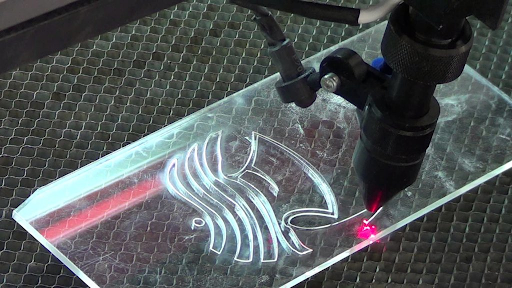
Laser cutting acrylic involves melting and vaporising the material along the cutting path. This produces extremely smooth and polished edges that often require no additional finishing. The results are clean, sharp, and visually appealing.
The process is ideal for creating letters, shapes, panels, and detailed designs. Many industries rely on laser-cut acrylic components for signage, displays, and interior features due to their professional finish.
Common Uses of Laser-Cut Acrylic
Laser-cut acrylic is commonly used for:
- Signage and lettering
- Retail and point-of-sale displays
- Awards and trophies
- Light boxes and illuminated signs
- Interior design features
- Protective screens and covers
Its modern appearance makes it especially popular in commercial environments.
Laser Engraving on Wood and Acrylic
Laser machines can also engrave designs onto the surface of materials, adding decorative or functional detail.
On wood, engraving creates a darker, engraved effect that works well for logos, branding, and personalised text. On acrylic, engraving produces a frosted appearance that stands out clearly, especially when backlit.
These results are achieved using specialised laser wood cutting tools that allow precise control over depth and detail during engraving.
Laser Cutting Compared to Traditional Methods
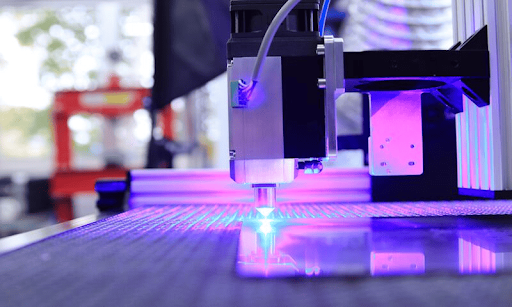
Traditional cutting methods such as sawing or routing often involve physical contact, which can lead to tool wear, rough edges, and inconsistencies. Laser cutting removes these limitations by using digital control and focused heat.
The result is higher accuracy, cleaner edges, and greater design flexibility. Changes to designs can be made quickly without additional tooling, making laser cutting highly adaptable.
Also, compared to other cutting methods, laser cutting offers higher accuracy, cleaner edges, and greater design flexibility, especially when compared with plasma and waterjet processes.
Conclusion
Laser cutting has transformed the way wood and acrylic are shaped in modern manufacturing. It provides precision, consistency, and flexibility that traditional methods struggle to achieve.
For wood, it allows detailed designs and clean cuts with minimal finishing. For acrylic, it produces smooth, polished edges and a professional appearance. Whether used for furniture, signage, displays, or decorative elements, laser cutting delivers reliable and high-quality results.
As technology continues to advance, laser cutting will remain a key process for shaping wood and acrylic across many industries.
Kirmell Laser Cutting Services
Kirmell offers high-quality laser cutting services for wood and acrylic, supporting both custom projects and repeat production work. Using modern laser cutting equipment and precise digital design control, Kirmell delivers clean edges, accurate detailing, and consistent results across every job. From simple components to complex designs, each project is handled with attention to quality and finish.
With experience across a wide range of industries, Kirmell works closely with customers to meet specific design, material, and production requirements. Whether the project involves detailed engraving, intricate shapes, or larger batch quantities, Kirmell provides reliable turnaround times and dependable manufacturing support tailored to each application. Contact us today for more details and related information.
FAQs
How does laser cutting work for wood and acrylic?
Is laser cutting safe for wood and acrylic?
Does laser cutting affect the strength of wood or acrylic?
Can laser cutting produce detailed designs and fine text?
What file formats are accepted for laser cutting?
Where can I hire reliable laser cutting services?