
How to Choose the Right Pallet Feet for Steel Pallets and Stillages
When selecting pallet feet for steel pallets and stillages, the decision should never be an afterthought. The right choice directly affects load stability, handling efficiency, floor protection, stacking safety, and long-term durability.
Steel pallets and stillages are built for strength, but their performance depends heavily on the supporting system beneath them. Choosing correctly ensures safe operations, reduced maintenance, and improved lifespan across your handling equipment.
This guide outlines the key factors to consider when choosing pallet feet for industrial steel pallets and stillages.
Start with Load Requirements
The first and most important consideration is load capacity.
You need to clearly define:
- The maximum weight each pallet will carry
- Whether the pallet will remain stationary or be frequently moved
- Whether loads are evenly distributed or concentrated in certain areas
- Whether pallets or stillages will be stacked
Heavy-duty industrial environments often involve both static loads (stored goods) and dynamic loads (movement via forklift). Pallet feet must handle both without bending, cracking, or weakening over time.
If stillages are stacked multiple levels high, the bottom unit carries significantly greater pressure. In these situations, reinforced steel feet or additional support points are essential to maintain structural integrity. Choosing feet rated above your maximum expected load provides a safety margin and prevents premature failure.
Match the Feet to the Base Structure
Steel pallets and stillages come in various designs. The base frame layout determines which pallet feet will perform best.
Before selecting, assess:
- Frame material thickness
- Box section or tubular structure
- Corner post positioning
- Centre support beams
Pallet feet should align directly beneath structural load-bearing points. This allows weight to transfer vertically through the frame’s strongest parts.
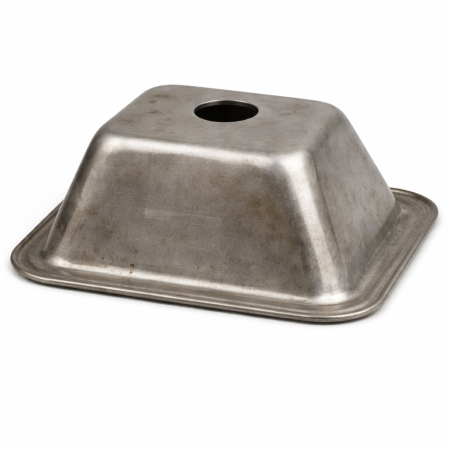
For example, square steel pallet feet are commonly used on box-section frames because they provide a stable, flat contact surface. When working with heavy-duty steel systems, properly engineered options such as Kirmell pallet feet are designed to align accurately with industrial pallet structures, ensuring reliable load transfer and long-term stability.
Correct alignment reduces stress on welds and prevents distortion over time. Also, read in detail about how pallet feet work in a warehouse environment.
Consider Stacking Compatibility for Pallet Feet
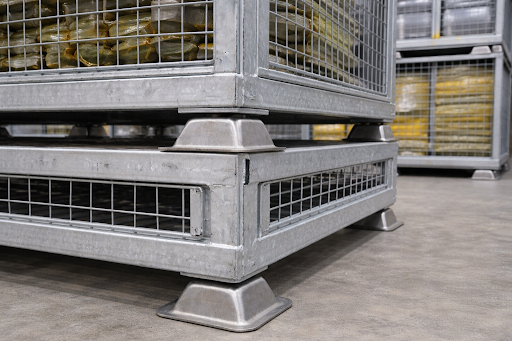
In many warehouses and manufacturing environments, stillages are stacked to maximise storage space.
Stacking compatibility is critical.
The pallet feet must:
- Fit securely within the stacking frame
- Prevent sideways movement
- Maintain straight vertical alignment
- Support the combined weight of multiple units
Poorly matched feet can cause instability, leading to shifting loads and potential safety risks.
Where stacking is frequent, precision-manufactured steel feet that maintain consistent dimensions are essential. Kirmell pallet feet are manufactured with strict dimensional accuracy, making them suitable for stackable steel stillage systems where alignment and consistency are vital.
Stacking safety should never be compromised by incorrect sizing or design.
Evaluate the Operating Environment
The working environment significantly influences the type of pallet feet required.
Indoor Dry Warehouses
Standard mild steel feet with protective coating may be sufficient.
Humid or Coastal Environments
Corrosion resistance becomes essential. Zinc-plated or galvanised finishes provide added protection against rust.
Outdoor Storage
Exposure to rain, temperature changes, and moisture requires durable finishes to maintain performance.
Heavy Industrial Sites
Environments involving impact, vibration, and constant movement require thicker steel and reinforced weld points.
Selecting the appropriate finish extends product lifespan and reduces ongoing maintenance costs.
Ensure Proper Forklift and Pallet Truck Clearance
Ground clearance determines how easily pallets can be moved.
Before finalising your choice, measure:
- Forklift tine height
- Pallet truck entry requirements
- Ground conditions
If pallet feet are too low, forklifts may struggle to enter safely. If too high, the pallet’s centre of gravity increases, potentially reducing stability during transport. Balanced clearance improves handling efficiency while maintaining load stability. Standard industrial sizes are designed to accommodate most material handling equipment, but always confirm measurements to avoid operational issues.
Choose Appropriate Material Thickness
Material thickness directly affects strength and durability.
Thin steel feet may reduce initial costs, but can:
- Bend under heavy loads
- Crack at weld points
- Wear prematurely
- Reduce the overall pallet lifespan
For demanding applications, thicker gauge steel provides greater resistance to impact and deformation. Industrial-grade solutions, including reinforced designs within the Kirmell pallet feet range, are manufactured using durable mild steel suitable for heavy-duty environments.
Selecting higher-quality material ensures reliability across years of use.
Protect Your Warehouse Flooring
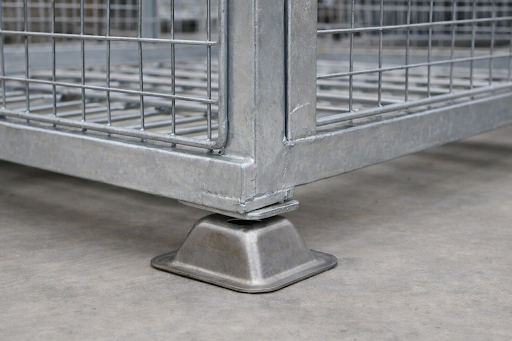
Steel pallet feet make direct contact with warehouse flooring. Poorly designed or rough-edged feet can cause long-term damage.
Consider:
- Smooth finishes
- Rounded edges
- Even weight distribution
- Wider base plates for heavy loads
Concrete, epoxy, and resin flooring are expensive to repair. Properly designed pallet feet help prevent scratching, chipping, and pressure damage.
If flooring protection is a priority, ensure the feet offer sufficient surface contact to spread the load evenly.
Decide Between Welded or Bolt-On Installation
The installation method also plays a role in performance.
Welded Feet
- Permanent and highly secure
- Ideal for heavy-duty industrial use
- Minimal maintenance
Bolt-On Feet
- Removable and replaceable
- Suitable for modular systems
- Easier to maintain or swap
For long-term industrial applications where strength and durability are priorities, welded options are often preferred. However, bolt-on systems provide flexibility for operations that may require adjustments or part replacement. The correct choice depends on your maintenance strategy and operational demands.
Determine the Number of Support Points
The number of pallet feet affects weight distribution and overall stability.
Common configurations include:
- Four-corner support
- Six-point support with centre reinforcement
- Nine-point heavy-duty configurations
For heavier or uneven loads, additional support points help distribute weight evenly and reduce stress on the frame.
If stillages carry machinery parts or dense materials, centre support can significantly improve performance and reduce structural fatigue.
Consider Impact Resistance
In fast-paced industrial environments, pallets are frequently:
- Lifted
- Lowered
- Moved quickly
- Subjected to minor impacts
Pallet feet must withstand these daily stresses without deforming.
Look for:
- Strong weld joints
- Reinforced corners
- Thick base plates
Durable pallet feet maintain shape under repeated use, reducing long-term repair and replacement costs.
Think Long-Term, Not Just Initial Price
Cost is always a factor, but the cheapest option rarely offers the best value.
Low-quality feet may:
- Wear quickly
- Corrode prematurely
- Damage floors
- Compromise stacking safety
Investing in properly engineered steel pallet feet ensures durability and reduces operational downtime.
High-quality industrial components provide long-term cost efficiency through improved lifespan and reduced maintenance.
Assess Custom Requirements
Standard sizes are suitable for many applications. However, custom solutions may be necessary if:
- Your stillages have non-standard dimensions
- Specific height clearance is required
- Your stacking system has unique alignment needs
- You operate automated handling systems
Custom-designed pallet feet provide exact compatibility with specialised pallet systems and improve overall efficiency. When precision matters, tailored solutions ensure optimal structural support. Contact Kirmell today to get custom pallet feet designs as per your requirements.
Safety and Compliance
Workplace safety must remain a priority.
Ensure pallet feet:
- Meet load rating requirements
- Are securely attached
- Maintain consistent dimensions
- Support safe stacking
Regular inspections should be incorporated into maintenance schedules to identify wear or corrosion early. Well-designed pallet feet contribute directly to a safer and more stable storage environment.
Also read Steel vs Plastic Pallet Feet – Choosing Based on Load, Environment & Cost.
Final Selection Checklist
Before placing your order, confirm:
- Load capacity exceeds operational requirements
- Feet align with structural support points
- Stacking compatibility has been verified
- Corrosion protection matches the environment
- Forklift clearance is appropriate
- Material thickness suits load demands
- Installation method matches your maintenance plan
- Floor protection has been considered
Careful evaluation ensures long-term performance and safety.
Why Choose Kirmell Pallet Feet for Your Steel Pallets and Stillages?
When selecting pallet feet for industrial applications, quality, consistency, and reliability are essential. Kirmell manufactures pallet feet using durable mild steel to meet the demands of heavy-duty warehouse and manufacturing environments.
The range includes various sizes and profiles designed to suit different steel pallet and stillage configurations. Whether you need square steel pallet feet, two-sided options, or reinforced designs for higher load capacities, we design and manufacture each product to ensure structural alignment and maximum stability.
Kirmell pallet feet are suitable for:
- Stackable stillage systems
- Heavy-load steel pallets
- Industrial storage solutions
- Manufacturing and logistics operations
Precision manufacturing ensures consistent dimensions for reliable stacking alignment, while durable steel construction supports long-term use under demanding conditions.
If you are looking for dependable pallet feet built for industrial performance, explore our full range of Kirmell pallet feet today. For technical guidance, bulk orders, or custom requirements, contact our team to discuss your project and request a competitive quote.
Conclusion
Choosing the right pallet feet for steel pallets and stillages is a structural decision that directly impacts safety, durability, and operational efficiency.
By carefully considering load capacity, structural alignment, stacking compatibility, environmental exposure, and handling requirements, you can select pallet feet that deliver dependable performance across industrial applications.
Making the correct choice supports safer operations, protects your investment, and ensures your steel pallet systems continue performing reliably for years to come.
FAQs
What are the best pallet feet for heavy-duty steel pallets?
How do I choose pallet feet for stackable stillages?
What size pallet feet do I need for steel pallets?
Are welded or bolt-on pallet feet better?
Do pallet feet need corrosion protection?
Where can I buy high-quality steel pallet feet in the UK?
How can I order pallet feet in bulk for commercial projects?