
How to Improve Warehouse Storage Efficiency with Simple Upgrades
Warehouse storage space is expensive, and the pressure to store more stock while keeping operations safe and fast never really goes away. The good news is you don’t always need a full redesign, new building, or major automation to see big gains. In many warehouses, the best results come from small, practical upgrades that remove bottlenecks: tighter layouts, cleaner labelling, smarter racking habits, safer handling points, and a few modular components that make storage units easier to stack and move.
Below are proven, low-disruption improvements you can implement step-by-step. Pick the upgrades that match your biggest pain point overflow areas, slow picking, damaged pallets, underused vertical space, or unstable stack storage and you’ll start seeing more capacity and smoother flow without major downtime.
1) Start with a quick space and flow audit
Before buying anything, walk the floor and measure what’s really happening. Many sites “run out of space” because inventory isn’t flowing efficiently, not because the building is too small.
What to check in a 60–90 minute audit:
- Aisle width vs. truck type: Are aisles wider than necessary for your MHE (manual pallet trucks, reach trucks, VNA)? Even trimming small amounts can unlock extra rows.
- Dead zones: Corners, end-of-aisle voids, and “temporary” quarantine spaces that become permanent.
- Slotting drift: Fast movers stored far from dispatch, slow movers in prime pick faces.
- Height usage: Are you consistently using the full safe height available? Many warehouses use 70–80% of vertical capacity.
- Damage patterns: Broken pallets, racking hits, and leaning stacks. These indicate where simple protective upgrades will pay back quickly.
Write down the top three issues, because your next upgrades should directly target those.
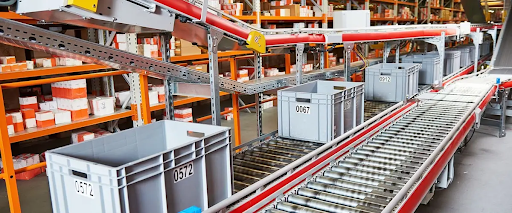
2) Use vertical space safely (without overcomplicating the layout)
One of the fastest ways to increase capacity is using height properly. The trick is to do it safely and consistently.
Simple vertical upgrades that work:
- Add another beam level where permissible (engineering checks first).
- Standardise unit load heights to reduce “air storage.” If your cartons vary wildly, you waste space above many pallets.
- Introduce stackable stillages for suitable SKUs. This can create vertical storage where fixed racking isn’t feasible.
- Train to a stacking rule: “Same footprint, same orientation, stable base, no overhang.”
If you can store one extra tier across even a portion of your warehouse, the capacity gain can be huge often without changing the footprint.
3) Improve slotting and pick-face design
If staff spend time walking, searching, or re-handling, your storage is working against you.
Easy slotting wins:
- ABC slotting refresh: Put A-items closest to dispatch and in the most ergonomic pick zones.
- Pick-face replenishment discipline: Make sure replenishment stock is easy to access and not blocking pick lanes.
- Group by handling method: Keep pallet-pick areas separate from case-pick and each-piece zones where possible.
- Limit “miscellaneous” bays: Mixed-SKU pallets become black holes for lost time.
Slotting doesn’t require new equipment just a reset based on real movement data (even if it’s a simple export from your WMS).
4) Reduce pallet damage to protect capacity
Damaged pallets create hidden costs: unsafe loads, product damage, unstable stacking, and blocked locations. A small reduction in damage often frees up more usable storage than people expect.
Simple actions:
- Define pallet acceptance standards (boards intact, no protruding nails, no major splits).
- Create a fast repair/sort area so broken pallets don’t drift into storage lanes.
- Install end-of-aisle guards and upright protection to prevent repeated racking strikes.
- Use consistent entry directions for pallets and stillages to reduce fork impacts.
You’ll get fewer collapsed stacks, fewer emergency moves, and more stable storage density.
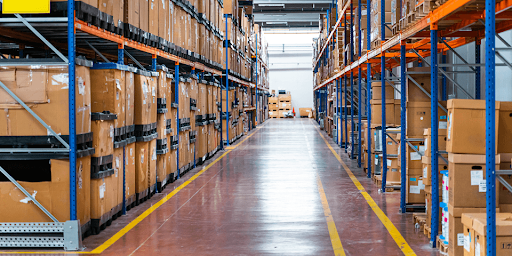
5) Choose the right racking habits (and upgrade where it matters)
Racking isn’t just “there”; how you use it matters. Common issues include poor load placement, uneven utilisation, and mixing different pallet types in the same lanes.
Practical racking upgrades:
- Add row spacers and backstops to prevent pallets pushing into rear clearances.
- Install mesh decking or safety bars where needed to reduce falling object risk.
- Use pallet supports for weaker pallets or variable load bases.
- Mark bay load limits clearly so teams don’t guess.
If you’re planning new or extended racking, match it to your load profile. Many operations see improvements by combining selective racking for variety with dedicated high-density zones for stable SKUs. Read more about the top types of pallet racks to optimize your warehouse storage.
This is where many teams revisit warehouse pallet storage racks to ensure beam levels, clearances, and accessories match the actual pallet footprint and load stability not what was assumed years ago.
6) Improve visibility with labels, signs, and “at-a-glance” storage rules
A warehouse that’s easy to read is easier to run.
Low-cost upgrades that pay back fast:
- Clear location labelling (large, consistent, scannable).
- Floor marking refresh for aisles, staging lanes, and no-go zones.
- Colour-coded zones for inbound, quarantine, fast movers, and returns.
- Simple storage rules signage: max stack height, no overhang, strap/wrap standards.
When everyone follows the same rules, your storage becomes predictable—and predictable storage is efficient storage.
7) Standardise your unit loads to reduce wasted space
Inconsistent pallet builds create inefficiency everywhere: racking utilisation, stacking stability, pick accuracy, and transport damage.
Standardisation ideas:
- Define a “preferred pallet footprint” for the operation and use it consistently.
- Set a maximum overhang policy (ideally none).
- Use consistent wrap patterns and corner protection where needed.
- Limit partial pallets by introducing case pick locations and replenishment logic.
This is one of the best ways to improve warehouse storage without buying new systems because standard loads pack and stack better.
8) Use pallet feet and nesting plugs to stack stillages and save space
If you store goods in stillages, cages, or stackable frames, one of the simplest ways to unlock more vertical storage is improving how those units stack and nest. Poor stacking often creates unsafe towers, wasted air gaps, and hesitant handling (“we don’t stack those too high because they wobble”).
That’s where pallet feet and nesting plugs can make a real difference:
- Pallet feet create consistent lift points and stable bases, helping stillages sit evenly and reducing movement during stacking.
- Nesting plugs guide the alignment between stacked units, preventing drift and improving stability, especially when loads aren’t perfectly uniform.
- Together, they can support higher, safer stacking and reduce the footprint used by overflow storage.
For teams dealing with mixed storage units and frequent handling, this is a practical upgrade that doesn’t require changing your racking or layout. Also, read in detail how pallet feet and nesting plugs solve common warehouse storage problems.
Kirmell supplies robust warehouse accessories designed to improve stacking stability, handling confidence, and storage density, especially for stillages and stackable frames. If you’re aiming to streamline vertical stacking and reduce wasted space, explore Kirmell’s pallet feet and nesting plug options to find a fit for your unit type and load conditions.
9) Make staging areas smaller, smarter, and more disciplined
Staging is necessary, but unmanaged staging eats space fast. Many warehouses lose significant capacity because staging lanes become long-term storage.
Simple staging improvements:
- Time-box staging lanes: inbound staging clears within X hours; outbound within Y hours.
- Separate “ready to pick” vs. “to be checked” to avoid re-handling.
- Use marked lanes for each carrier route to reduce last-minute reshuffling.
- Introduce a daily staging reset routine (10–15 minutes at shift end).
The goal is to stop staging from becoming overflow storage.
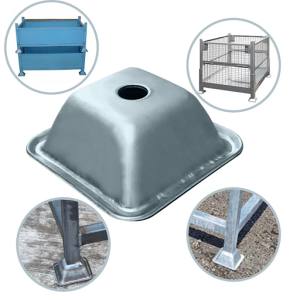
Kirmell Pallet Feet & Nesting Plugs for Smarter, Safer Stacking
Kirmell offers durable pallet feet and nesting plugs designed to make stillages and stackable storage units easier to handle, align, and store at height. By creating consistent lift points and a more stable base, pallet feet help reduce wobble, improve forklift handling, and support more reliable stacking so you can use vertical warehouse storage space with greater confidence and less risk of load shift.
Nesting plugs improve alignment between stacked units, helping them sit securely and reducing drift during storage or movement. Together, these simple upgrades can cut down on damage, reduce wasted space, and make stack storage more predictable.
Conclusion
In most warehouses, the quickest storage wins come from tightening the basics: smarter slotting, disciplined staging, and consistent unit-load standards. Pick one improvement you can roll out across the site, measure the impact, then standardise it so the gains stick.
If you rely on stillages or stackable frames, simple upgrades like pallet feet and nesting plugs can make a noticeable difference by improving stability and alignment. That means safer stacks, fewer handling issues, and better use of vertical space without changing your entire layout.
FAQs
What are the fastest ways to improve warehouse storage efficiency?
How can I increase storage capacity without expanding the building?
How do I know if my warehouse storage layout is wasting space?
What causes poor utilisation of racking locations?
How do I reduce pallet damage and its impact on storage capacity?
[ninja_form id=2]