metal caps

Buy our metal end caps to provide a clean, safe, and durable finish to open tube and pipe ends. Manufactured in the UK to high engineering standards, Kirmell caps are designed to close off hollow sections, protect exposed edges, and improve the overall finish of fabricated metalwork.

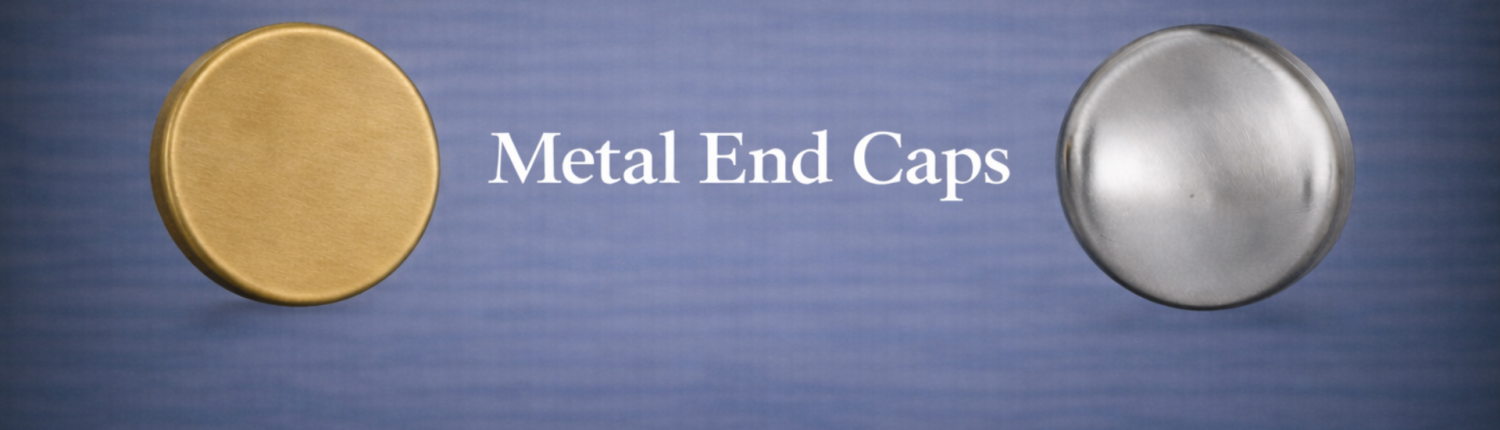
Our range includes flat caps and domed caps, manufactured to customer-specified sizes to suit round tubes, pipes, and hollow sections. Engineered for strength and long service life, Kirmell end caps help improve safety, reduce corrosion risk, and deliver a professional finish across industrial and commercial applications.

Metal End Caps

Your Trusted UK Manufacturer of Caps & End Caps

With decades of experience in UK metal manufacturing, Kirmell has built a strong reputation for producing high-quality caps and end caps for industrial use. Manufactured in the UK to strict quality standards, our caps deliver consistent fit, durability, and reliable performance across a wide range of fabricated structures.

We focus on practical finishing solutions that enhance safety and product longevity. By combining precision manufacturing with customer-specified sizing, we supply caps suitable for both standard and custom tube applications.

Types of Caps We Supply & Their Uses

Flat Caps:
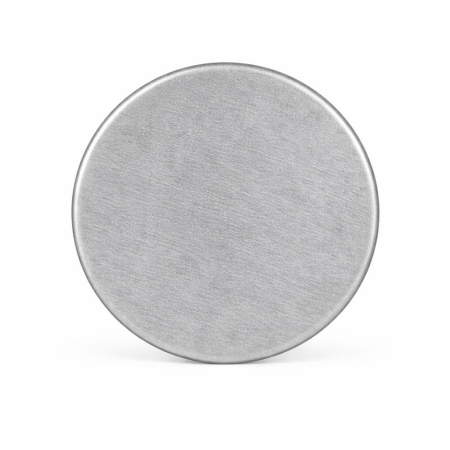
Flat caps provide a flush finish to the end of tubes and pipes. They are commonly used where a clean, industrial appearance is required or where the capped end may sit directly against a flat surface.

Domed Caps:
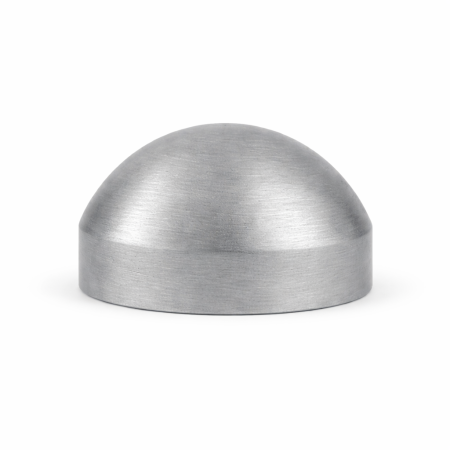
Domed caps feature a rounded top that improves safety by removing sharp edges and helps shed water and debris. They are often chosen for visible applications or where touch safety and appearance are important.

Both cap types are manufactured to suit customer-specified diameters, ensuring accurate fit and
reliable performance across a range of tube and pipe sizes.

Why Caps & End Caps Are Important in Fabrication

Caps and end caps play a critical role in improving the safety, durability, and finish of fabricated
metalwork. Leaving tube or pipe ends open can expose sharp edges, allow moisture and debris to enter, and lead to premature corrosion over time.

By fitting correctly sized caps, fabricators can protect hollow sections from internal rust, reduce
maintenance requirements, and ensure structures remain safe to handle. Caps also help deliver a more professional, finished appearance, particularly on visible components such as gates, railings, frames, and supports.

Frequently Asked Questions

Where can I order metal caps or end caps online?
Kirmell supplies metal caps and end caps online, offering flat and domed metal caps made to size for finishing tube and pipe ends. Customers can order caps easily at competitive prices, with quick and affordable delivery for home projects, fabrication work, or general metal finishing applications.
What are metal caps or end caps used for?
Metal caps are used to close off open tube or pipe ends to improve safety, prevent sharp edges, and protect hollow sections from moisture and debris. They also help give fabricated structures a clean, finished appearance.
Why do exposed tube ends need metal caps?
Exposed tube ends can be sharp, collect water, or trap dirt. Metal caps cover these openings to improve safety, prevent corrosion from forming inside the tube, and deliver a cleaner, more professional finish.
What is the difference between flat caps and domed caps?
Flat caps provide a flush finish and are commonly used where the capped end sits against a surface or is not highly visible. Domed caps have a rounded top that improves safety and appearance, making them ideal for exposed or touch-sensitive areas.
Do domed metal caps reduce the risk of injury?
Yes. Domed caps remove sharp edges and corners, reducing the risk of cuts or impact injuries in areas where people may brush against posts, rails, or frames.
What should I check before buying metal caps?
Before buying metal caps, accurately measure the external diameter of the tube or pipe and consider whether a flat or domed finish is better suited to the location, level of exposure, and safety requirements of the application.