
Round vs Square Pallet Feet: Which One Should You Use
When choosing pallet feet for steel pallets and stillages, one of the most common questions is whether round or square pallet feet are the better option.
At first glance, the difference may seem minor. Both are designed to support loads and raise pallets off the ground. However, shape plays a much bigger role than many people realise. The design you choose can affect load balance, stacking performance, floor contact, strength, and even long-term durability.
Understanding the differences between round and square pallet feet will help you select the right solution for your specific industrial needs.
Why Pallet Feet Shape Matters More Than You Think
The shape of pallet feet affects how weight is distributed across the floor and how forces travel through the pallet structure.
Even small variations in design can influence:
- Stability under heavy loads
- Contact surface area
- Resistance to movement
- Compatibility with pallet frames
- Stacking alignment
Round and square pallet feet are both widely used in industrial environments, but each has strengths suited to different applications. Read more about pallet feet in this detailed guide.
Overview of Round Pallet Feet
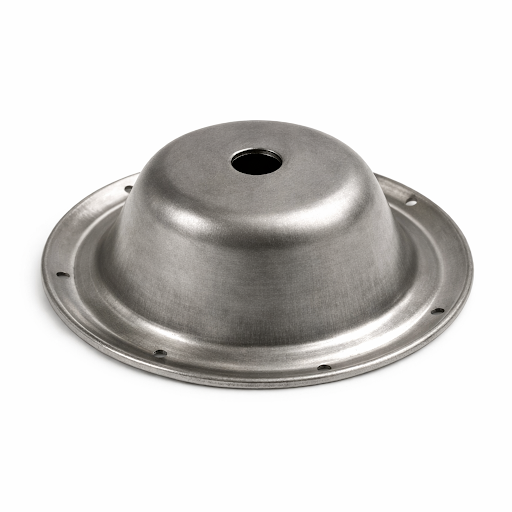
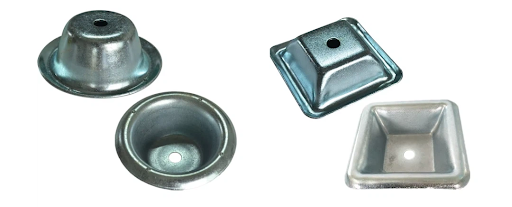
Round pallet feet are circular in shape and are commonly used with tubular or round-section steel pallet frames. Their curved design makes them a natural fit for pallets built using round steel tubing, creating smooth structural alignment between the frame and the foot. Because there are no sharp corners, they offer a clean and simple appearance while maintaining consistent support beneath the pallet base.
They are typically chosen for lightweight to medium-duty pallets, particularly in systems where smoother contact points are preferred. The circular design allows balanced surface contact in all directions, helping weight spread evenly from the centre. This makes round pallet feet suitable for applications where loads are moderate and stacking requirements are not extremely heavy.
Overview of Square Pallet Feet
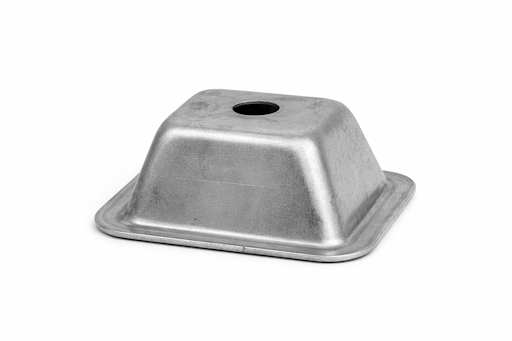
Square pallet feet feature flat sides and defined corners, making them ideal for box-section or square steel pallet frames. The straight edges align directly with structural beams, creating strong and stable load transfer points. This design often enhances rigidity, particularly in industrial pallet systems where strength and alignment are priorities.
They are commonly selected for heavy-duty steel pallets, stackable stillage systems, and high-load industrial environments. Depending on their dimensions, square pallet foot designs can provide a larger contact surface compared to many round designs, helping distribute weight more effectively across the floor. Their shape also supports improved stacking stability, making them a reliable option for demanding warehouse and manufacturing operations.
Also, read how to install pallet feet properly if you are doing it for the first time.
Key Difference 1: Load Distribution
One of the biggest differences between round and square pallet feet is how they distribute weight.
Round Feet
Round pallet feet spread the weight evenly in all directions from the centre point. This can be beneficial in applications where load direction varies or where pallets are frequently repositioned.
However, because many round feet have a smaller contact area than square designs, they may create slightly higher pressure on the floor under heavy loads.
Square Feet
Square pallet feet typically offer a broader base. The flat edges increase surface contact with the ground, which helps spread weight more evenly — especially in heavy-duty situations.
For industrial steel pallets carrying significant weight, square pallet feet are often preferred due to improved stability and load distribution.
Key Difference 2: Structural Alignment
Alignment between pallet feet and the base frame is essential.
Round Feet and Tubular Frames
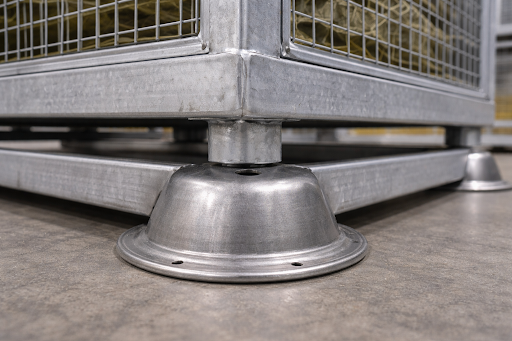
Round pallet feet pair naturally with round or tubular steel frames. The shape allows clean welding and balanced support.
Square Feet and Box Sections
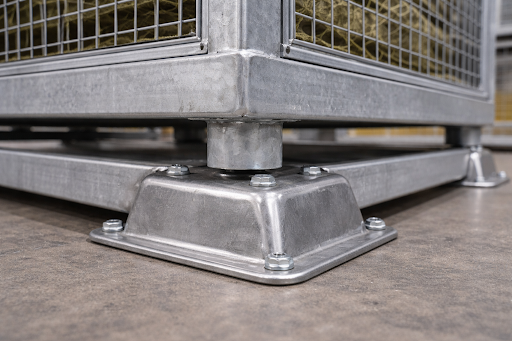
Square pallet feet align precisely with square or rectangular box-section frames. This alignment improves load transfer because the shape mirrors the structural beams above.
In many heavy-duty pallet systems, square pallet feet offer more direct structural support because the flat sides match the pallet frame geometry.
Key Difference 3: Stacking Stability
Stacking performance is critical in warehouse environments.
Round Pallet Feet in Stacking
Round feet can stack effectively when designed with appropriate recesses or stacking cups. However, their curved edges may allow slight lateral movement if not engineered with tight tolerances.
Square Pallet Feet in Stacking
Square pallet feet often provide better stacking alignment. The flat sides help limit sideways movement, improving vertical stability in stackable stillage systems.
For high stacking applications, square feet are frequently chosen due to their ability to maintain consistent alignment between units.
Key Difference 4: Floor Contact and Surface Protection
Floor protection is another factor influenced by shape.
Round Feet
Round feet create smooth contact points and may reduce sharp corner pressure. This can be beneficial on certain floor types.
However, if the round base is narrow, the pressure per square centimetre increases under heavy loads.
Square Feet
Square pallet feet distribute weight across a wider footprint when designed with larger base plates. This helps reduce concentrated pressure on concrete or resin floors.
In heavy industrial settings, square designs may better protect flooring because of their increased surface contact.
Key Difference 5: Manufacturing Strength
Manufacturing methods also differ slightly between the two shapes.
Round pallet feet are often pressed or formed from steel into a dome or cup shape. This curved design can provide good structural strength due to its natural arch form.
Square pallet feet are typically fabricated with defined edges and reinforced sides. Their flat surfaces make welding to box-section frames straightforward and secure.
Both designs can be extremely strong when made from high-quality steel. The difference lies more in application than in basic durability.
Key Difference 6: Aesthetic and Visual Preference
While performance is the priority, visual appearance can also matter — especially for visible storage systems.
Round pallet feet often appear softer and more streamlined due to their curved shape.
Square pallet feet present a more industrial and structured look, matching the geometry of box-section steel frames.
In most industrial environments, function outweighs aesthetics, but for certain sectors, appearance may influence the final decision.
Round vs Square Pallet Feet Comparison Table
| Feature | Round Pallet Feet | Square Pallet Feet |
| Shape | Circular with smooth curved edges | Flat sides with defined corners |
| Best Frame Compatibility | Tubular or round-section steel frames | Box-section or square steel frames |
| Typical Load Capacity | Lightweight to medium-duty applications | Medium to heavy-duty applications |
| Stacking Stability | Suitable when designed for stacking, but may allow slight lateral movement | Generally offers improved stacking alignment and stability |
| Floor Contact Area | Even radial contact, often smaller footprint | Typically wider contact surface for better weight distribution |
| Weight Distribution | Balanced outward distribution from centre | Direct load transfer through flat structural points |
| Impact Resistance | Curved edges may reduce edge impact stress | Strong flat edges; reinforced designs handle heavy impact |
| Common Applications | Light storage systems, tubular pallet frames | Heavy-duty pallets, industrial stillages, high-load environments |
| Best For | Moderate loads and simpler pallet systems | Heavy loads, stackable systems, demanding environments |
When Round Pallet Feet Are the Better Choice
Round pallet feet are often suitable when:
- The pallet frame uses round tubing
- Loads are moderate rather than extremely heavy
- Smooth directional movement is required
- Floor pressure is not excessively high
- A compact support design is preferred
They are commonly seen in lighter storage systems and applications where extreme stacking height is not required.
When Square Pallet Feet Are the Better Choice
Square pallet feet are often the preferred option when:
- Pallets carry heavy industrial loads
- Stillages are stacked multiple levels high
- Structural alignment is critical
- Floor load distribution needs to be maximised
- Box-section steel frames are used
In high-capacity warehouse systems, square designs frequently offer greater overall stability.
Durability Comparison
In terms of long-term durability, both shapes can perform equally well if manufactured from quality steel.
Durability depends more on:
- Steel thickness
- Weld quality
- Protective coating
- Load rating
- Environmental conditions
The shape itself does not automatically determine lifespan; correct specification does.
Impact Resistance
In busy warehouses, pallets are regularly moved by forklift. Round pallet feet can sometimes deflect minor side impacts due to their curved edges.
Square pallet feet, with defined corners, may experience direct impact on edges. However, reinforced square designs are built to handle these stresses. Choosing the correct material thickness is more important than the shape alone when impact resistance is a concern.
Cost Considerations
Cost differences between round and square pallet feet are generally small.
Pricing depends on:
- Material weight
- Manufacturing process
- Surface treatment
- Order quantity
Square pallet feet may use slightly more material due to their broader base. However, in heavy-duty applications, the additional stability often justifies the difference. When selecting pallet feet, it is best to focus on suitability rather than minimal price variation.
Common Misconceptions
“Round feet are always weaker.”
This is not true. Strength depends on steel thickness and design, not just shape.
“Square feet damage floors.”
Only poorly designed or sharp-edged feet cause floor issues. Properly finished square pallet feet distribute weight effectively.
“The shape does not matter.”
Shape directly affects load distribution, stacking alignment, and frame compatibility.
Understanding these factors ensures better long-term performance.
How to Decide Between Round and Square
If you are unsure which option suits your application, ask these questions:
- What type of steel frame does the pallet use?
- How heavy are the loads?
- Will pallets be stacked?
- Is floor protection a major concern?
- What level of stability is required?
If your pallets are heavy-duty and stackable with box-section frames, square pallet feet are often the practical choice.
If your system uses tubular frames and lighter loads, round pallet feet may be perfectly suitable.
Conclusion
Round and square pallet feet both serve the same fundamental purpose, but their differences become important when performance and safety are priorities.
Round pallet feet offer balanced support and smooth edges, making them suitable for lighter systems and tubular structures.
Square pallet feet provide broader surface contact, improved stacking alignment, and strong compatibility with box-section steel frames, making them ideal for heavy-duty industrial applications.
The right choice depends on load requirements, structural design, stacking needs, and working environment. By understanding how each shape performs under real industrial conditions, you can select pallet feet that deliver reliable, long-term support for your steel pallets and stillages.
FAQs
Are round pallet feet stronger than square pallet feet?
Which pallet feet are better for heavy-duty steel pallets?
When should I choose round pallet feet?
Do square pallet feet damage warehouse floors?
Are round pallet feet suitable for stackable stillages?
Where can I buy round and square pallet feet in the UK?
Where can I order pallet feet in bulk?
[ninja_form id=2]